Zero-fluff, step-by-step master tracks designed for business analysts, everyday teams, and AI engineers. Progress at your own pace from scratch to production.
🎓 Core Analytics & Data Skills
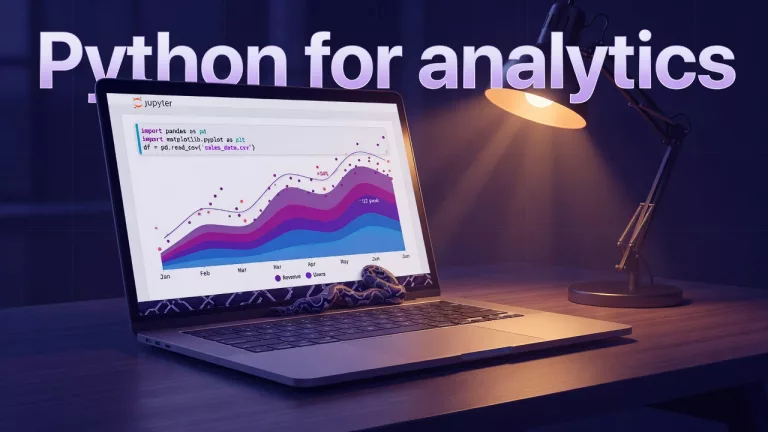
The foundational curriculum: go from messy spreadsheets to confident SQL, Python, charts, and metrics you reuse everywhere.
SQL series
This path is for you if a spreadsheet is the wrong place for the question. The numbered tutorials start with a playground and the core commands, then reading, filtering, grouping, and joins, then subqueries, changes, views, and faster queries. One extra primer asks what SQL is. Start with the first part on this page, and do not skip ahead to joins.
- Parts 1–4: Playground setup, SELECT, filtering, and sorting
- Parts 5–8: Grouping, aggregates, multi-table joins & subqueries
- Parts 9–14: Views, indexes, window functions, CTEs & query tuning
🤖 Everyday AI for Work & Life
Practical AI workflows for knowledge workers — prompting, memory, personal assistants, and real work tasks.
Practical AI for analytics people
This path is for analytics people who will use AI on a real file, not a demo. Parts cover what it can and cannot do, tokens and cost as a feel, prompts for data work, checking an answer, retrieval in plain English, agents, what you should not paste, documentation, and a checklist you can reuse. Start with the first part on this page.
- Parts 1–3: Capabilities, limits, token economics & prompt framing
- Parts 4–6: RAG foundations, agents, evals & structured data extraction
- Parts 7–9: Privacy boundaries, governance checklists & production ops

🛠️ Major AI Platform Masterclasses
Deep-dive operational playbooks for frontier models and developer ecosystems with official marks.
Claude
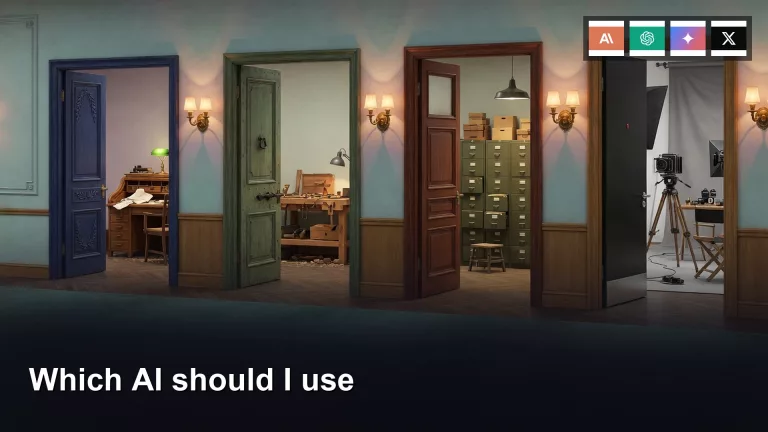
This path is for you if Claude is the tool on your screen and the product names do not line up. Early parts are the plain guide, plans, a first half hour, projects and files, writing, and what never to paste. Later parts split into the product map, Claude Code, and Cowork, including when each one is the wrong tool. Start with the first part on this page.
- Parts 1–3: Prompt caching, Projects, Artifacts & context hygiene
- Parts 4–6: Claude Code CLI tool execution, subagents & workflows
- Parts 7–10: MCP server integration, tool boundaries & developer best practices







🧠 Open-Source & AI Engineering
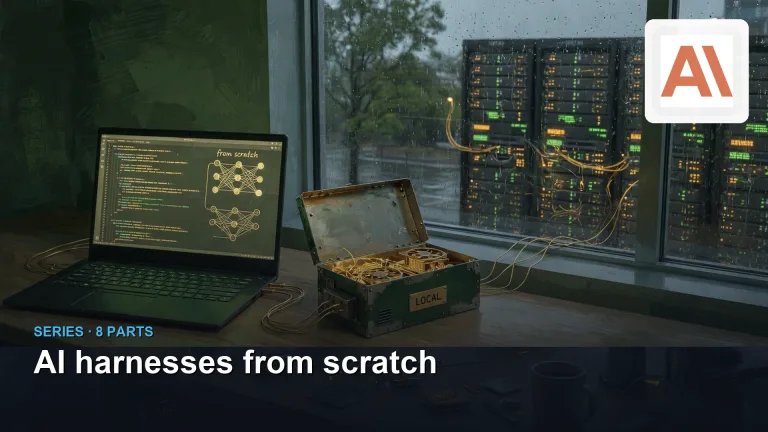
Run, build, fine-tune, and inspect models locally — llama.cpp, Unsloth, RAG, vector databases, and autonomous harnesses.
Fine-tuning open models with Unsloth from scratch
This path is for you if you want to change an open model's weights, not only write a better prompt. The tool is Unsloth, and the split is a prompt versus a weight update. No part is live on this page yet. Start with Meta Llama from scratch if you still need the map of the model, and come back here for the training path.
- Part 1: Weight updates vs RAG & prompt engineering trade-offs
- Part 2: 5x faster custom CUDA autograd kernels with 80% less VRAM
- Part 3: LoRA / QLoRA training on Colab GPUs & GGUF production export


🏢 Data Systems, Engineering & Applied Practice
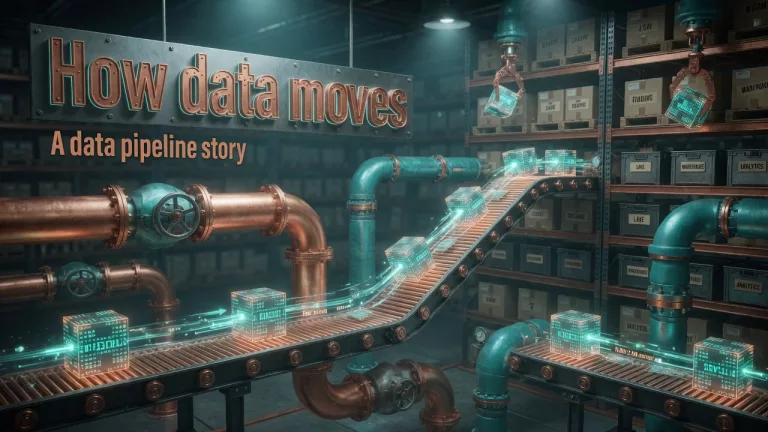
How data moves, scales, and delivers value: pipelines, dbt, Airflow, stewardship, BI, and domain analytics.
How data actually moves
This path is for analysts who inherited a pipeline and were never in the room when it was designed. Parts walk the path from sources to a table someone queries, batch versus streaming, where the data lives, orchestration, what dbt is for, dev versus prod, and how you notice a break. Start with the first part on this page.
- Parts 1–2: Trace data movement, lineage & latency requirements
- Parts 3–5: Storage tiers, orchestration engines & dbt transformations
- Parts 6–7: Multi-environment deployments & proactive observability alerts