
Category: Analytics
This shelf is the job, not a tool manual. You are here if someone expects a number, a chart, or a “what should we do,” and the spreadsheet is starting to argue with itself. The articles cover the question before the query, a metric with a written definition, a chart that answers something, data that is fit to ship, and the messy middle of pipelines and stewardship.
It is not the SQL category. SQL is how you ask a table. Analytics is what you are trying to decide, and whether the number is even the right one. It is not the AI category either. A model can draft the email about the metric. It does not pick the metric.
Where to start: Analytics foundations if you do not yet have a clear question. Metrics if the team is arguing about a definition. Charts if the picture is pretty and the decision is still fuzzy. The SQL series when you are ready to ask the table yourself. Learn groups these as a track so you do not have to guess an order from a flat list.
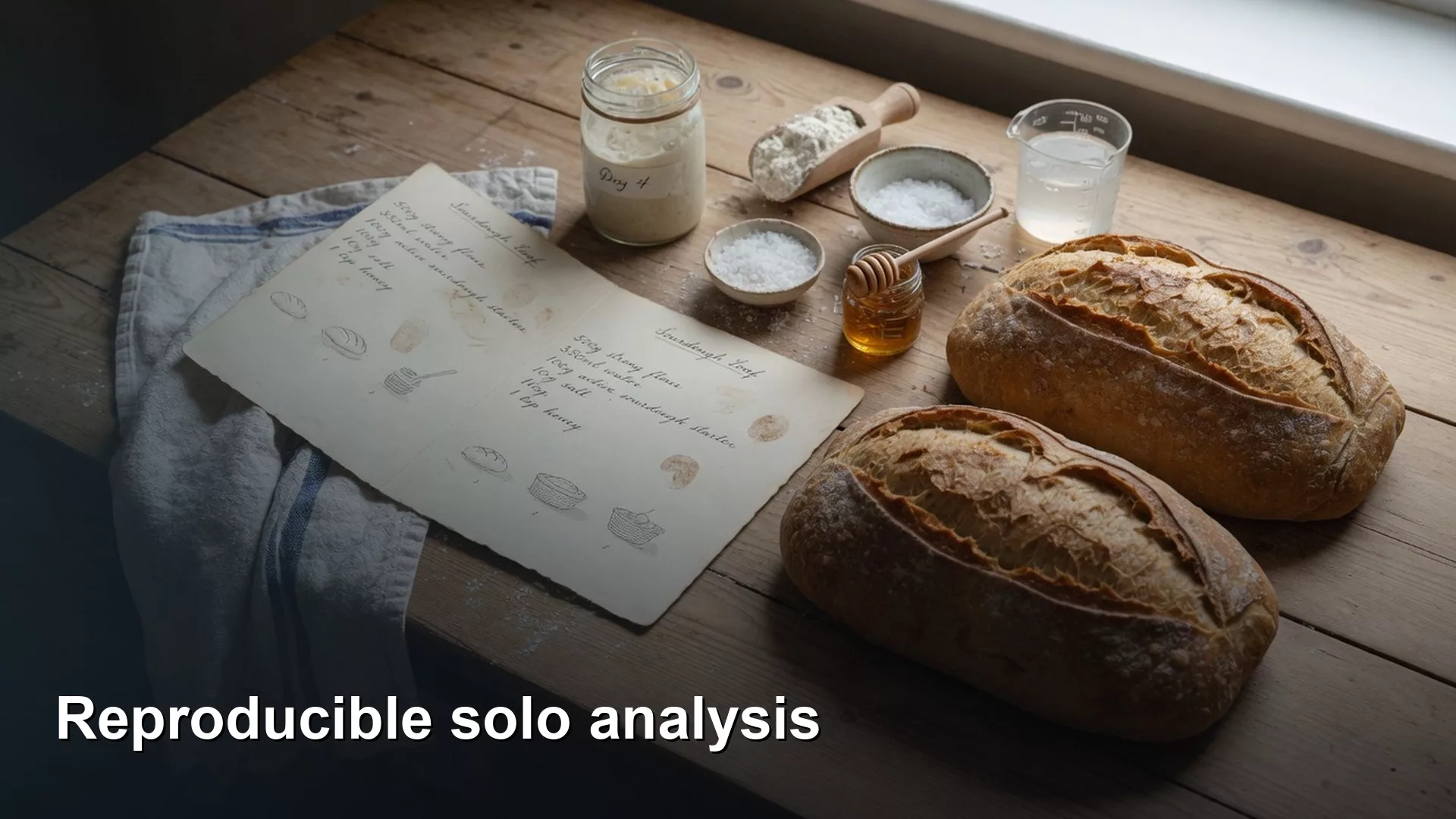
How to make your data analysis reproducible when you work alone
Solo analysts still need reproducibility: fixed inputs, pinned environments, clear parameters, and a re-run path so last quarter’s number can be explained without archaeology.
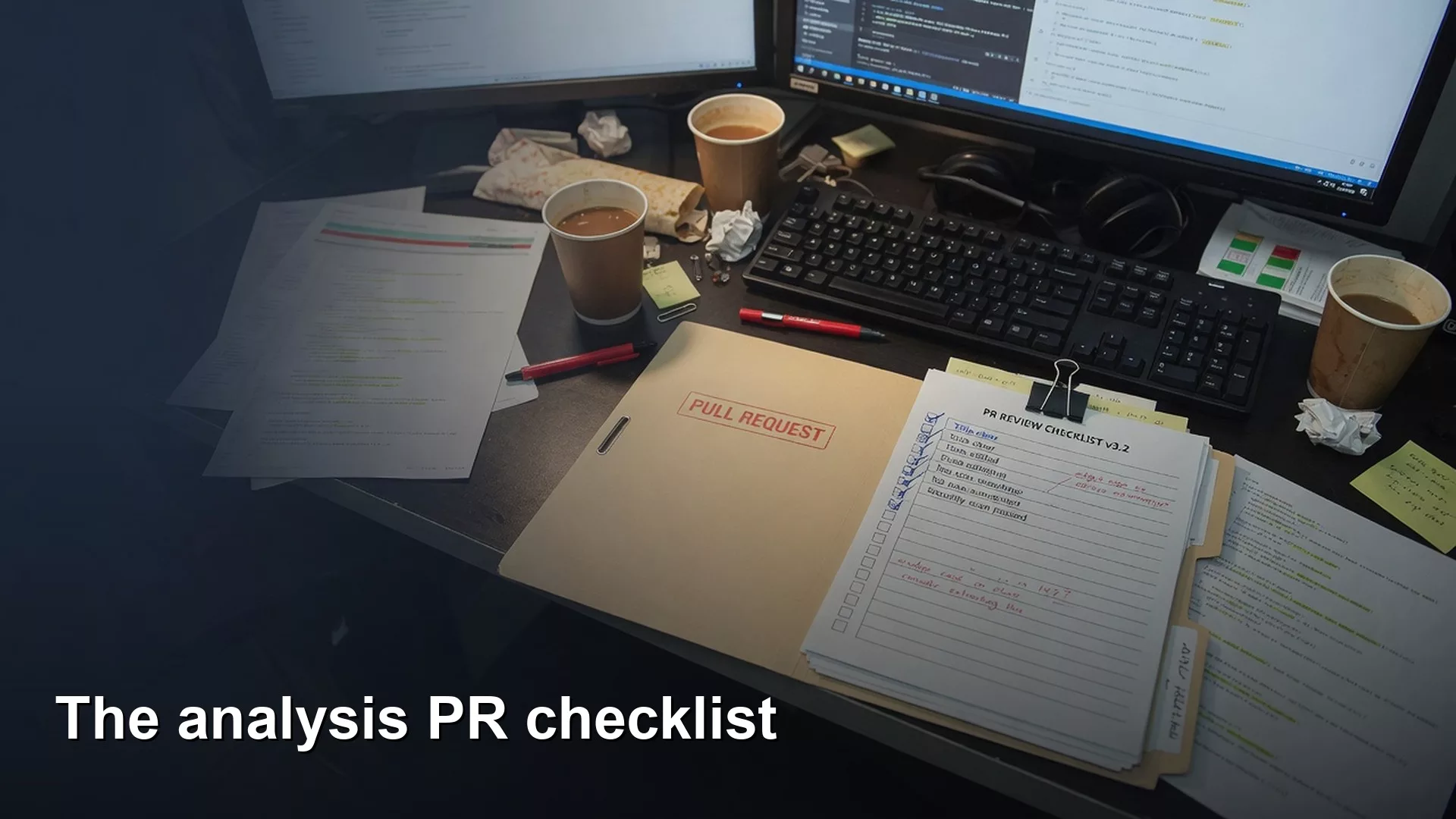
A review checklist for data analysis before numbers go to your board
An analysis PR checklist turns “looks good” reviews into real quality gates: question, grain, filters, lineage, tests, and narrative before anyone merges a metric change.
Power BI for beginners: how to publish and share reports people trust
Publish Power BI with workspaces, refresh, RLS, and a trust checklist. Shared is not trusted until roles, refresh, and ownership survive Monday morning.

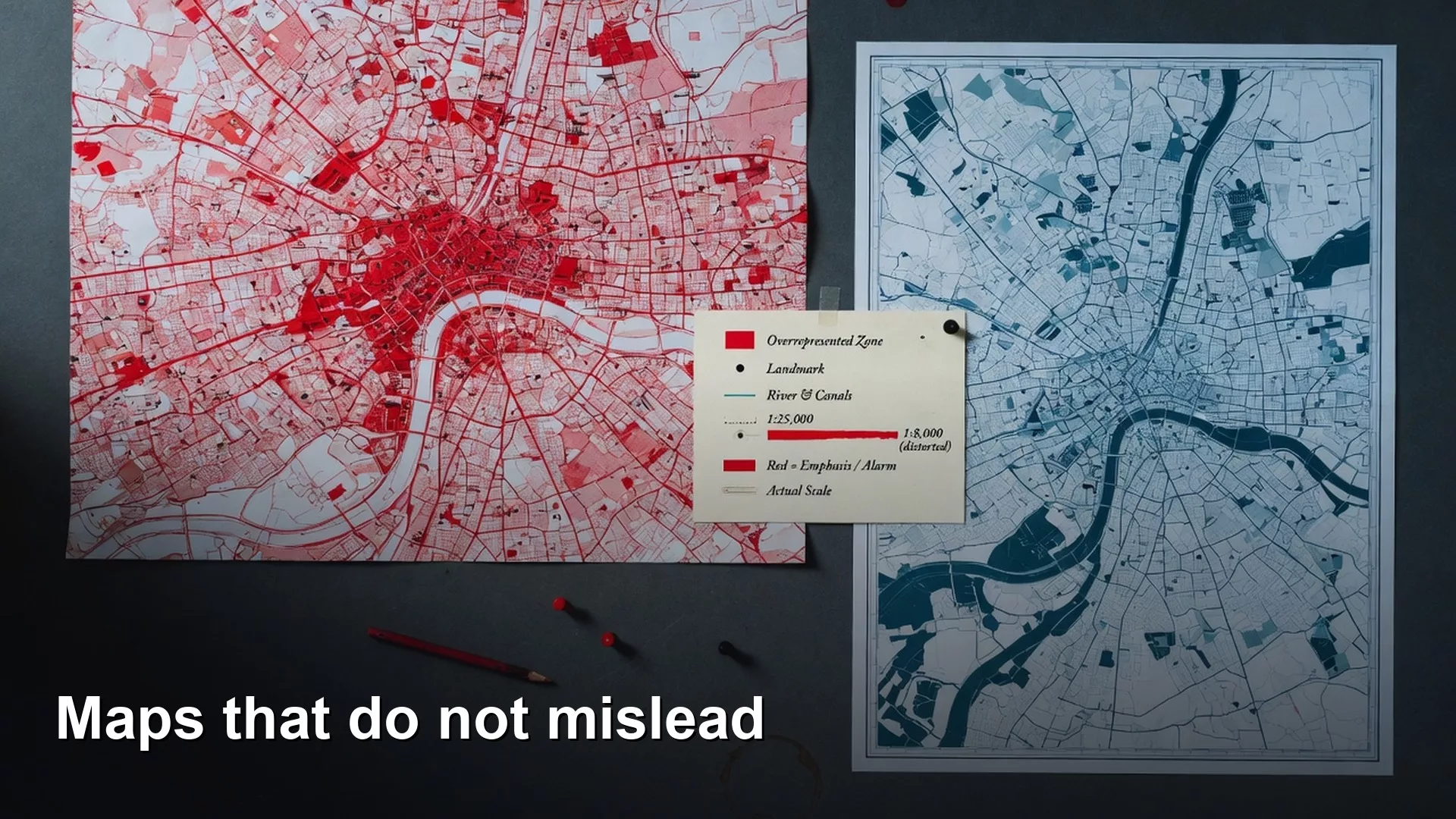
How to make data maps that inform without misleading people
Maps persuade fast, which is why bad bins and raw-count choropleths mislead so well. Use an honest map path: question, aggregation, color scale, and caveats you refuse to…
- 12 min read
Portfolio projects that do not look fake
Portfolio projects fail when they look like homework clones. Build one believable stack: real question, messy data, decisions, checks, and a short memo a hiring manager can trust.