Category: Tutorials
You are in the right place if you want a lesson you can follow, not a glossary and not a product homepage. This shelf holds most of the articles on Analytics Made Simple. Two paths sit inside it on purpose. SQL is the database path: you have rows, and you need to ask a question without exporting another spreadsheet. AI is the tool path: chat products, open-weight models, and the jobs those tools are actually good at. Other tutorials land here when they teach a skill that does not belong on a narrower shelf.
A category page is the pile. A series page is the path, with a place to start and an order. If you open a tag or page 2 of this list, you are in a filing cabinet. The lesson is the article, or the series hub that lines the articles up.
Where to start: if the pain is a table, open the SQL series and use the first part on that page. If the pain is a model name or a chat tool, open the AI category and pick the product you already have on screen. If you are not sure which job you have, open Learn and choose the track that matches the work, not the logo.
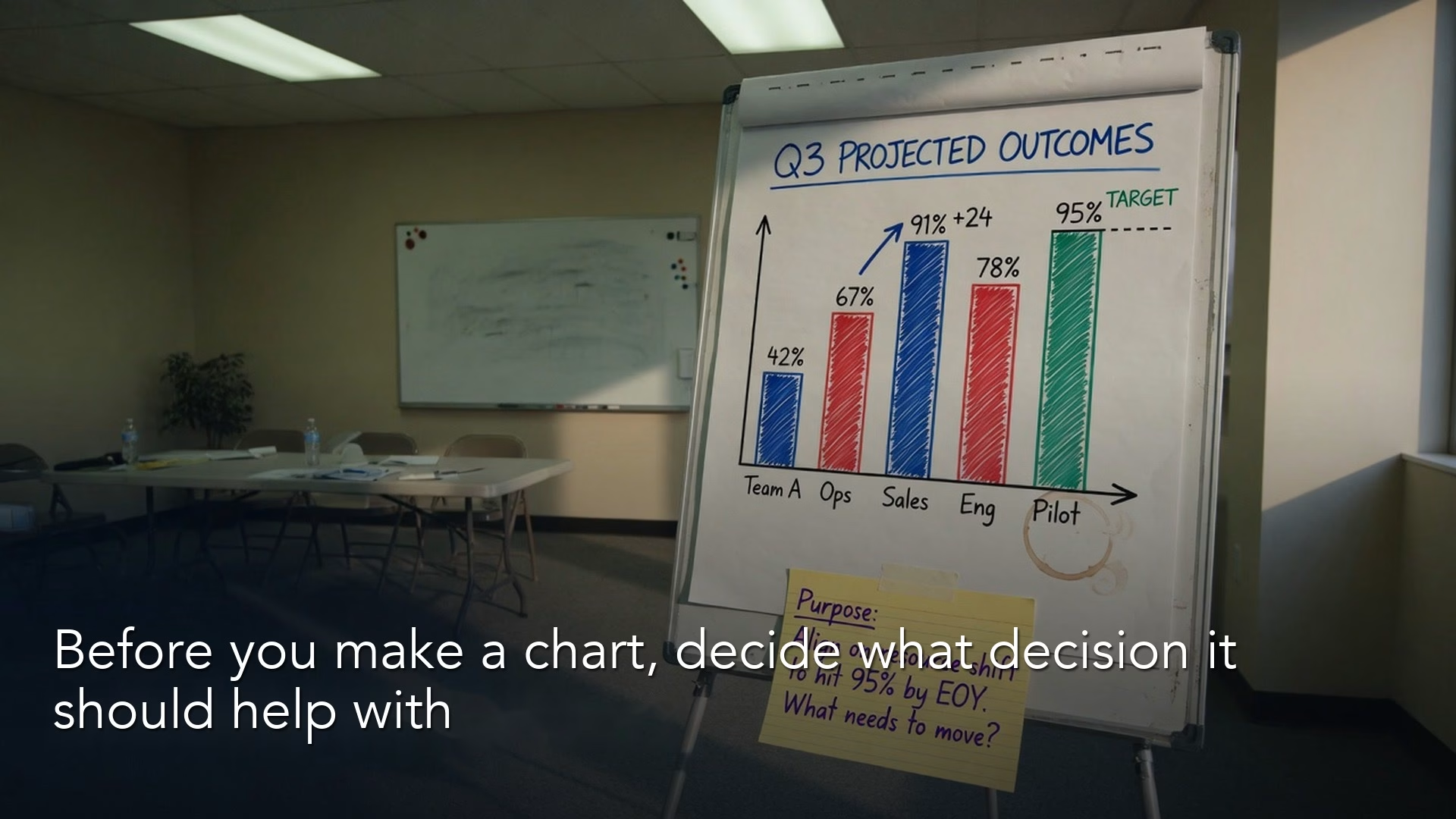
Before you make a data chart, decide what decision it should help someone make
A chart is a job, not decoration. Learn explore versus explain versus persuade so the next deck chart answers a real decision instead of filling a slide with…
Git-friendly habits for beginners
Part 5 closes the ChatGPT Codex tutorial with beginner git habits: branch per task, small commits, clear messages, PR review, and never force-pushing blind. Learn undo basics, recap…

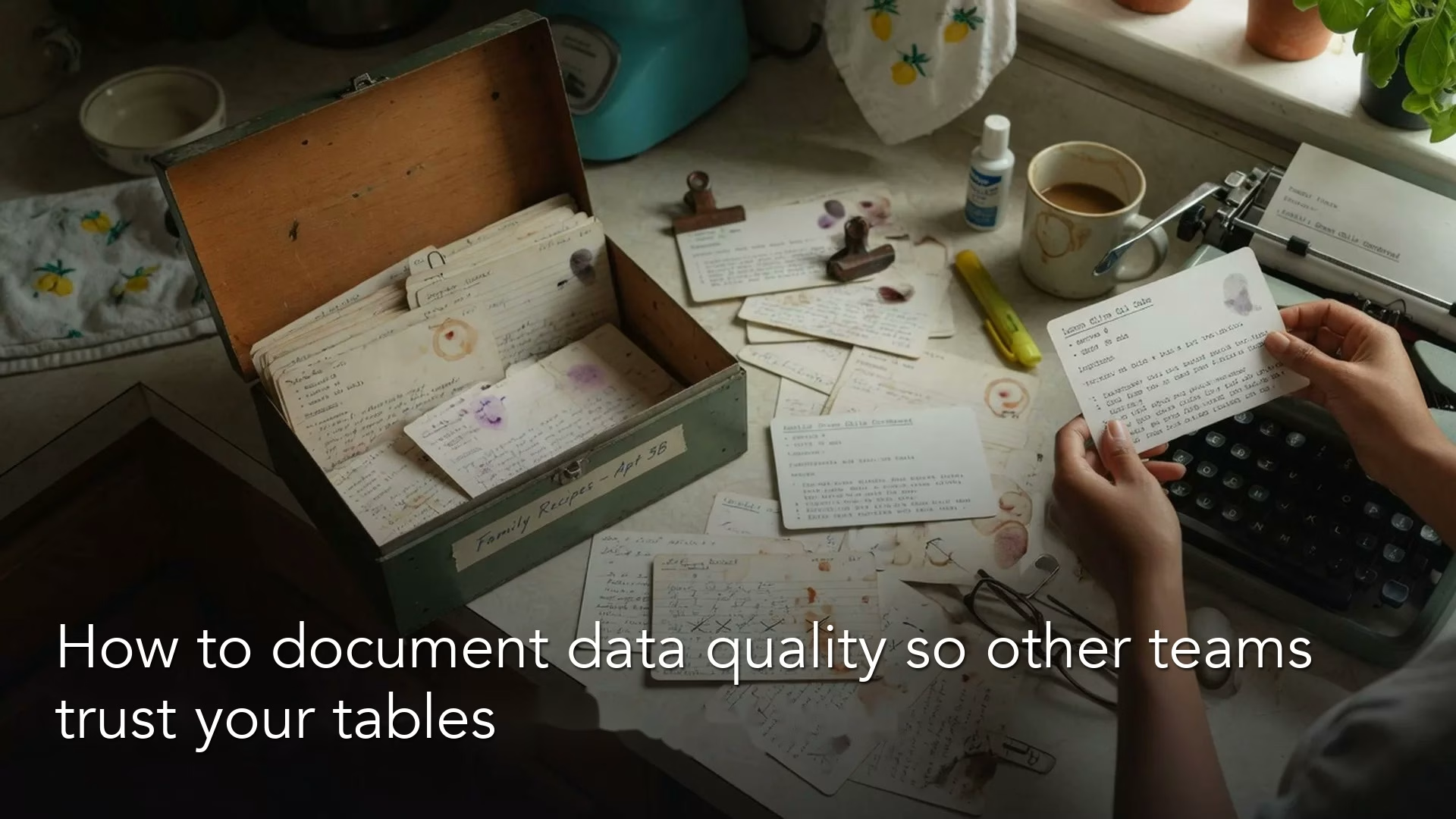
How to document data quality so other teams trust your tables
Trust needs a light paper trail, not a bureaucracy. Publish a simple data quality scorecard with owner, metrics, known issues, and next check so teammates can rely on…
How to set up Claude Cowork and run your first file task
Part 2 of the Claude Cowork tutorial walks paid-plan setup, a dedicated working folder, and one real file task you can finish and review. You leave with a…

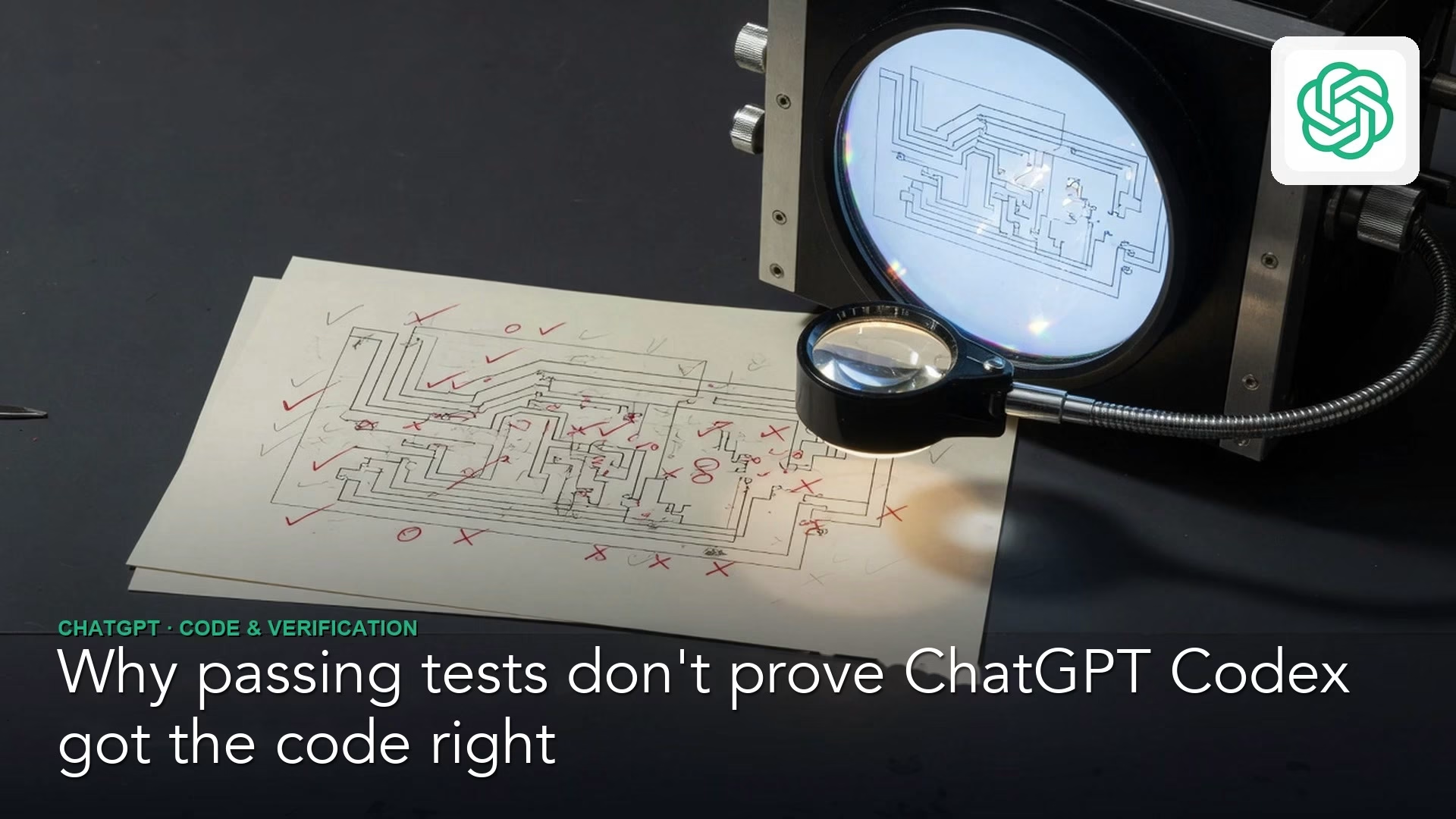
Why passing tests don’t prove ChatGPT Codex got the code right
A passing test only proves the cases it tries. When Codex writes the fix and the test together, check three things: the new test fails without the fix,…