Category: AI
You are here if AI showed up in your job and the names on the screen do not match the buttons. This category is practical. It is not a model-release calendar, and it is not one lesson pasted under a new product name. The series split the pile so a Claude post and a ChatGPT post can teach different work.
Everyday paths are for a person with no account yet, or a person whose chat forgot a file: setup, prompting, memory, agents, safety, and which product fits a job. Product paths stay on one tool: Claude, ChatGPT, Gemini, or Grok, from a first login to the surface you should not open. Open-weight paths are Llama, DeepSeek, Qwen, Kimi, and GLM: what the name refers to, and when a normal paid chat is the easier tool. Engineering paths are for running a model, retrieving from your own files, and fine-tuning. Several of those hubs are still waiting on a first live part, and the hub page says so.
Where to start: no account yet, use AI setup from zero. You already pay for one product, open that product’s series and use the first part. You want the idea before the brand, use Practical AI. You want every series in order, use Learn and the AI tracks.
How to draft in Google Docs with Gemini and stay in control
Docs plus Gemini stays useful when you control the path: brief, outline, section drafts, human facts, then voice edit. Placeholders beat fake precision. Humans own the byline.

How to run an AI chatbot on your laptop with a free desktop app
Desktop runners like Ollama and LM Studio get open weights onto a laptop. Install one app from the official site, pull one small local model, send one public…

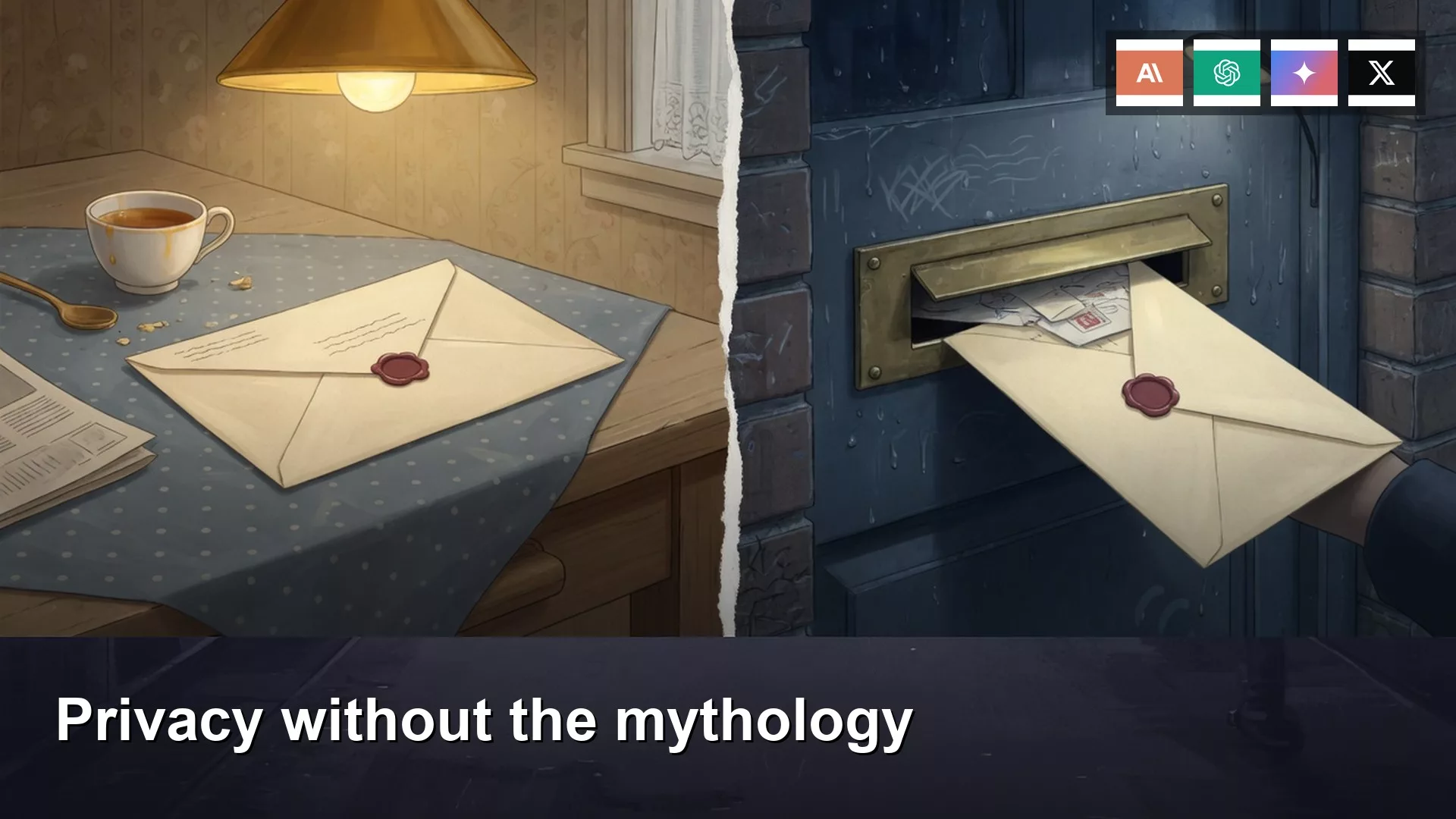
Why privacy matters when you run AI models on your own computer
A local desktop runner can still ship your prompt to a host if cloud mode is on. This guide maps what leaves (text, files, metadata), when local is…
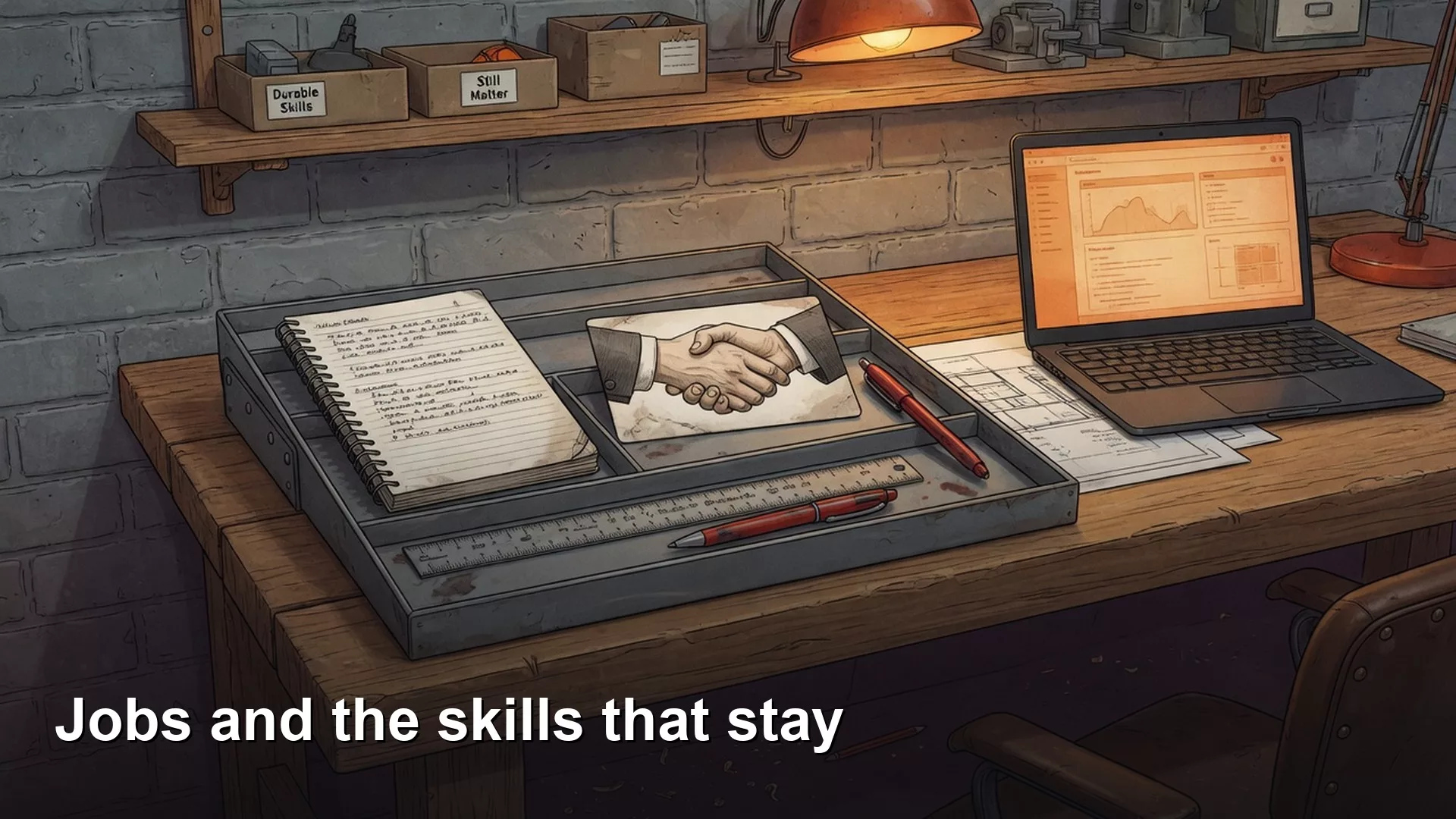
Which job skills still matter as AI gets better?
AI shifts tasks inside jobs; titles lag. Keep five skills: the question, the number check, the conversation, taste, and the stop. Models draft; you own the closed book.
Why you should not use Grok Imagine to make images of real people or brand logos
Do not generate photoreal people, fake logos, or copyrighted characters for work. Use consent, official marks, and a visual fails checklist before anything ships.
