Category: Tutorials
You are in the right place if you want a lesson you can follow, not a glossary and not a product homepage. This shelf holds most of the articles on Analytics Made Simple. Two paths sit inside it on purpose. SQL is the database path: you have rows, and you need to ask a question without exporting another spreadsheet. AI is the tool path: chat products, open-weight models, and the jobs those tools are actually good at. Other tutorials land here when they teach a skill that does not belong on a narrower shelf.
A category page is the pile. A series page is the path, with a place to start and an order. If you open a tag or page 2 of this list, you are in a filing cabinet. The lesson is the article, or the series hub that lines the articles up.
Where to start: if the pain is a table, open the SQL series and use the first part on that page. If the pain is a model name or a chat tool, open the AI category and pick the product you already have on screen. If you are not sure which job you have, open Learn and choose the track that matches the work, not the logo.
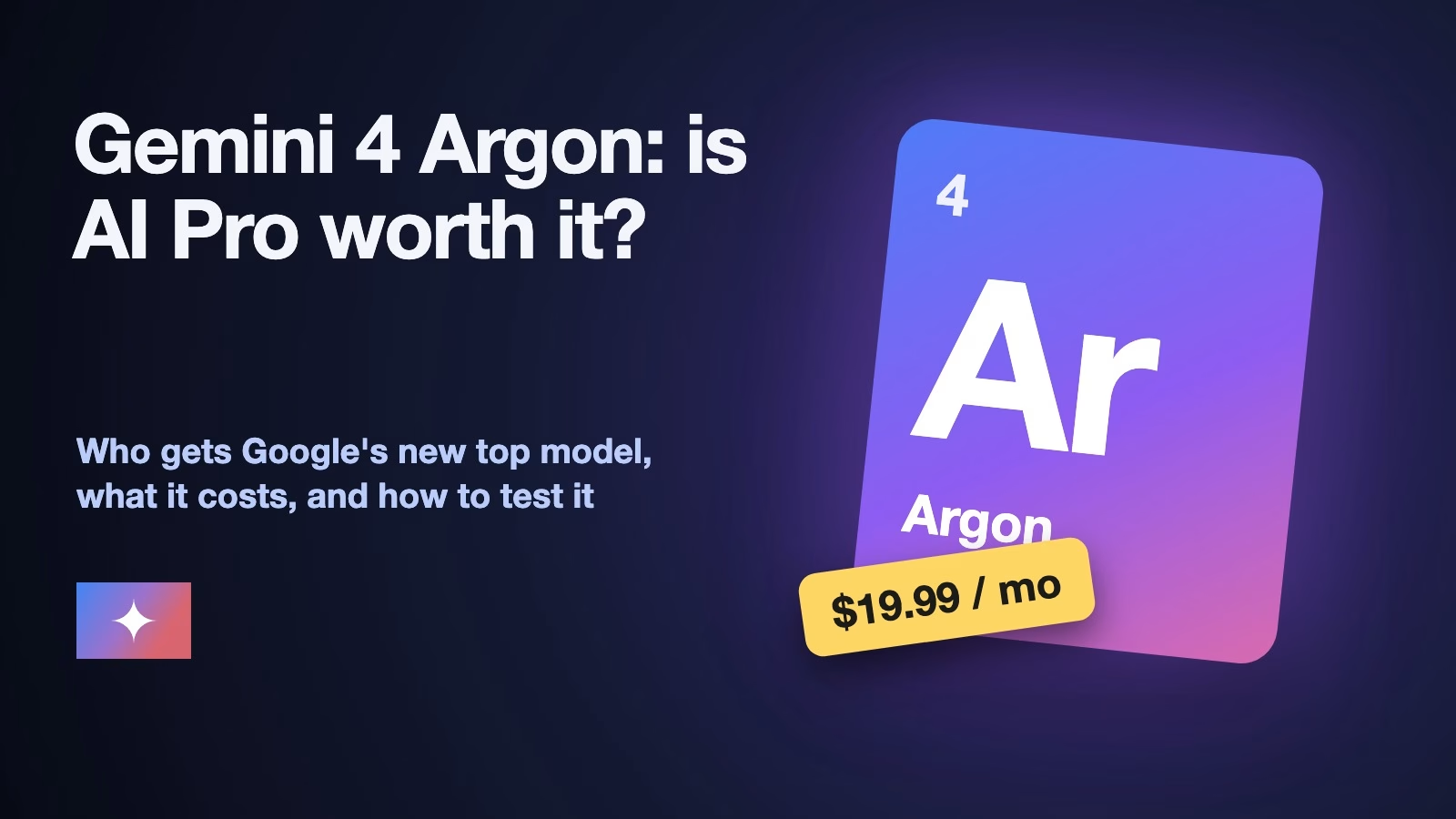
Gemini 4 Argon, Google’s newest AI model: is it worth paying for Google AI Pro?
Gemini 4 Argon is Google’s newest top AI model, and in the Gemini app it starts with Google AI Pro at $19.99 a month. Here is who gets…
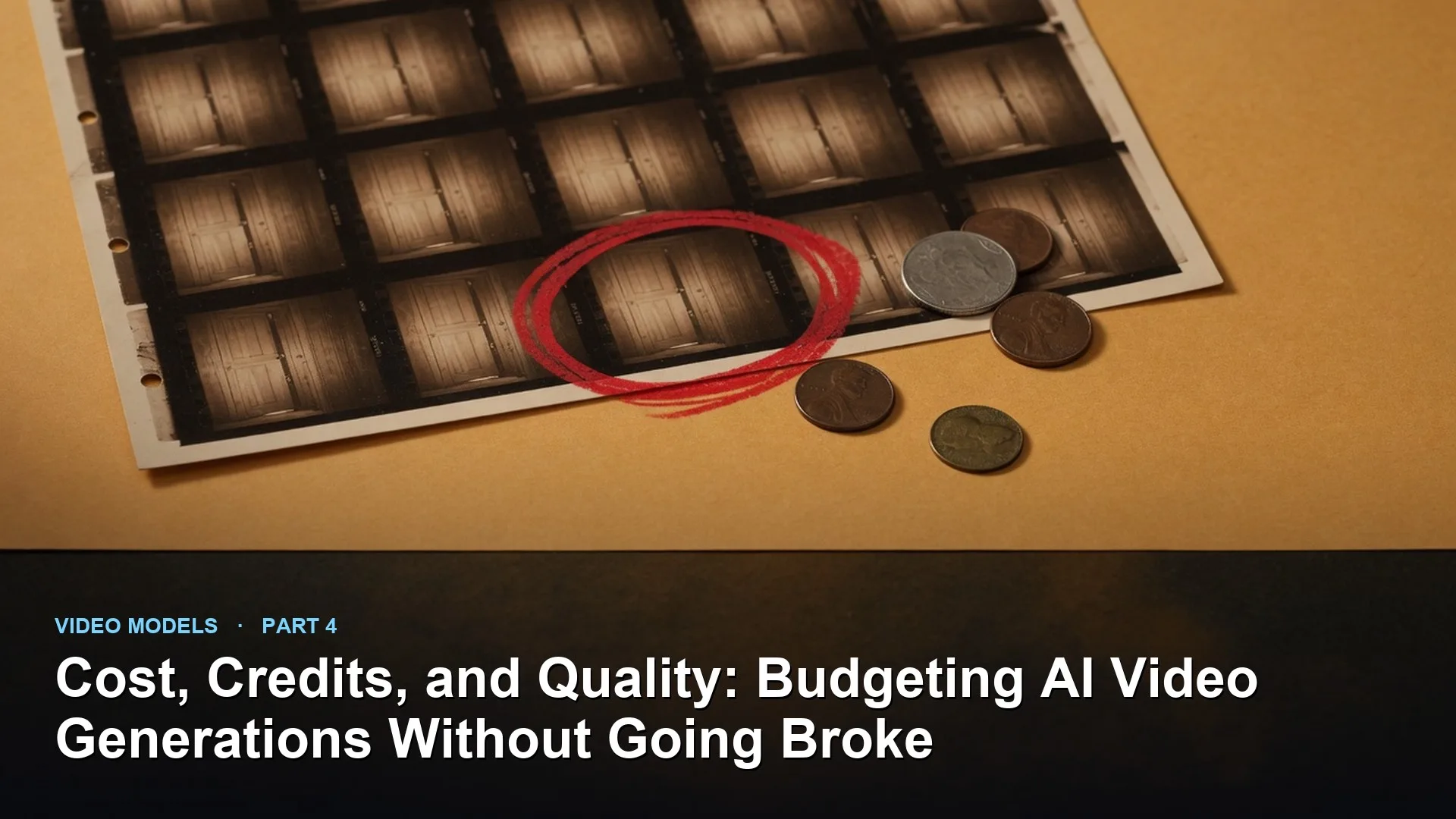
How to budget for AI video generation without overspending
Budget generative video with draft resolution first, selection gates, and local or cheap upscalers. Measure yield, not raw generation count.
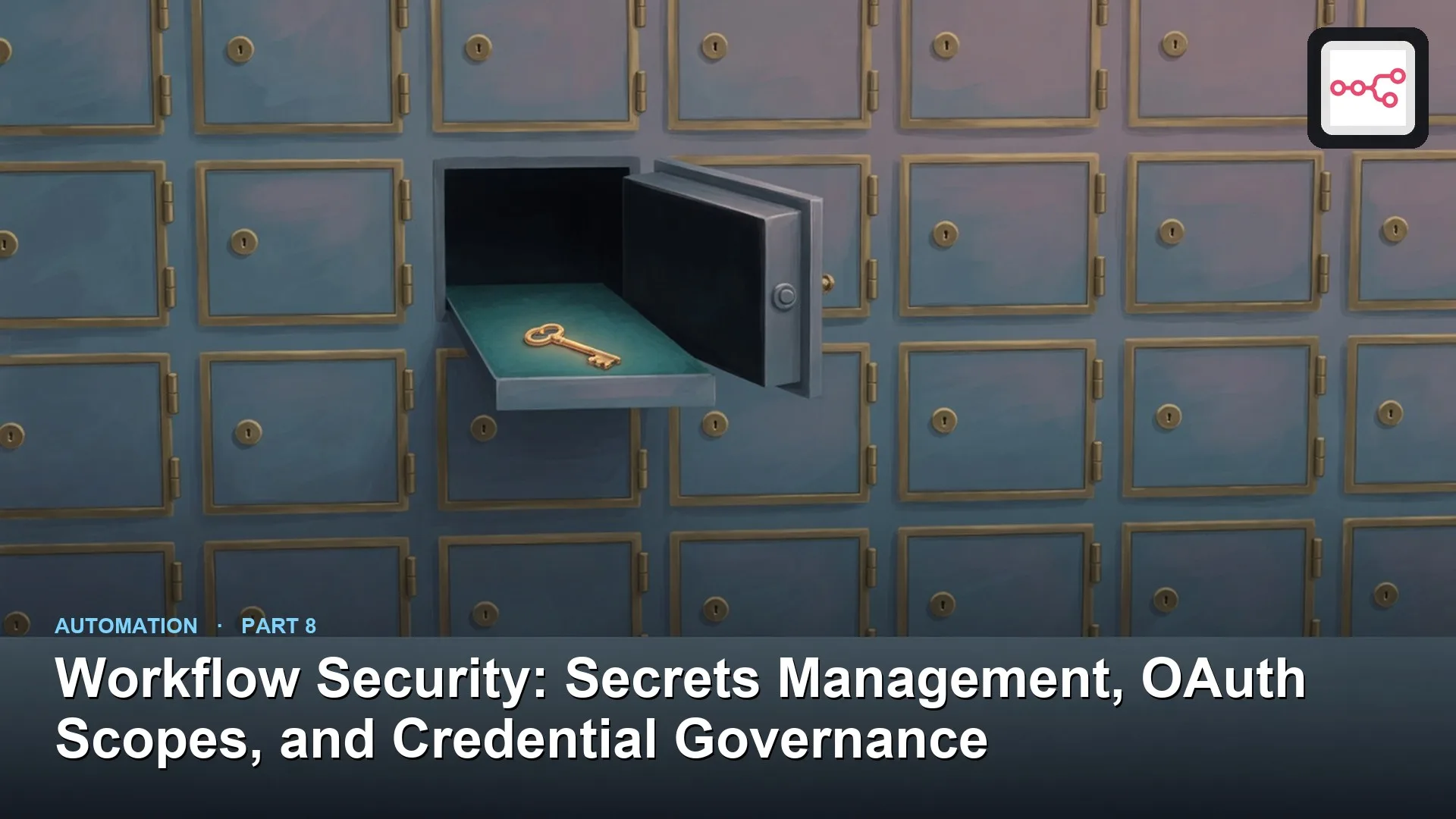
How to keep passwords and access safe in your automation workflows
Govern workflow secrets with a vault, tight OAuth scopes, and rotation playbooks. Treat canvas plaintext credentials as temporary only.
How to let Claude or ChatGPT read your company’s database without risking your data
Letting an AI query your company’s database is safe when the AI has its own read-only login, a time limit and a log. Here is the setup, tested…
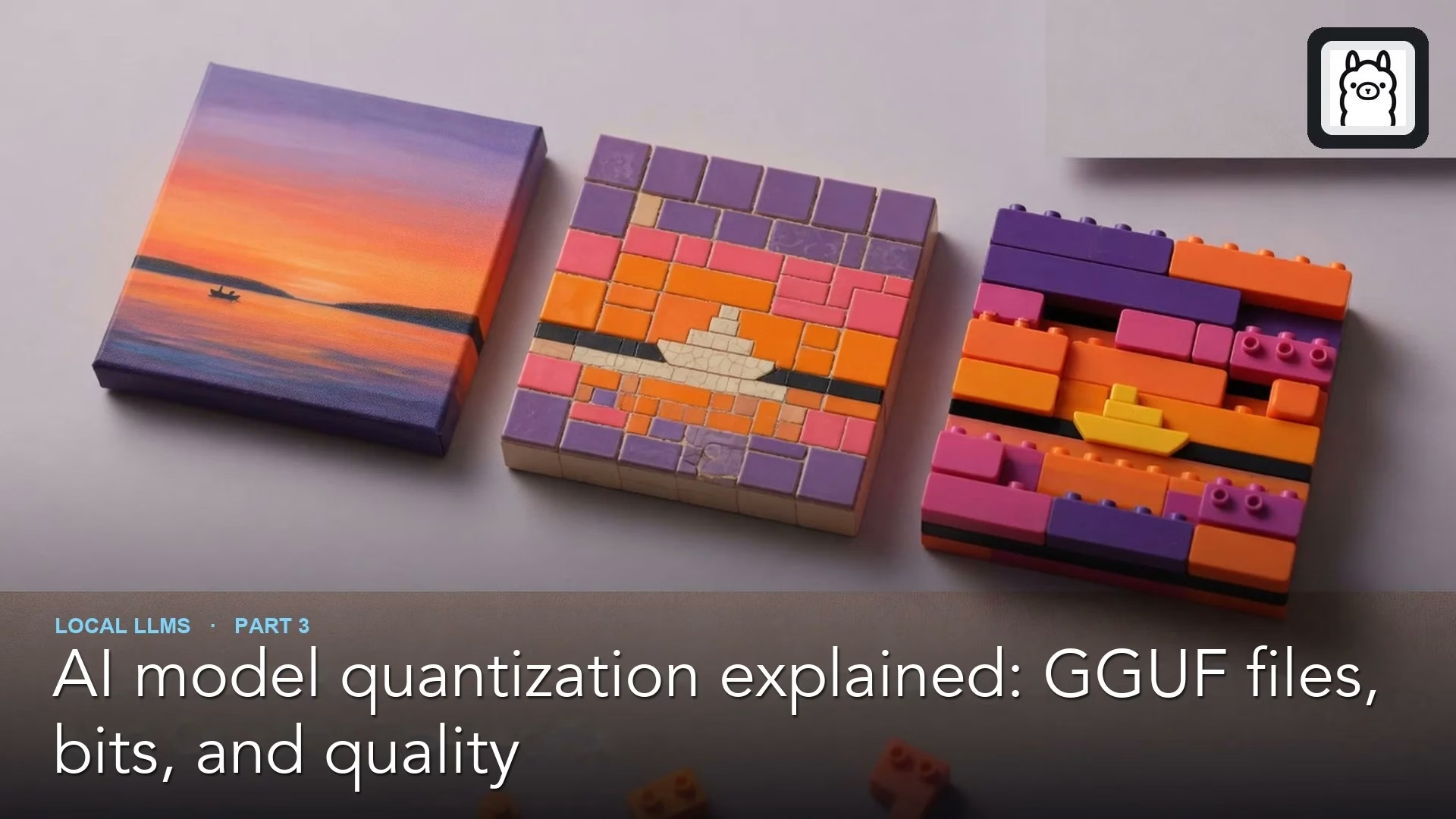
What is AI model quantization? How smaller model files trade quality for size
Treat GGUF quantization tiers as memory-vs-quality dials. Prefer mid tiers for work you will cite, and test your own prompts before you standardize on the tiniest file.