Category: Tutorials
You are in the right place if you want a lesson you can follow, not a glossary and not a product homepage. This shelf holds most of the articles on Analytics Made Simple. Two paths sit inside it on purpose. SQL is the database path: you have rows, and you need to ask a question without exporting another spreadsheet. AI is the tool path: chat products, open-weight models, and the jobs those tools are actually good at. Other tutorials land here when they teach a skill that does not belong on a narrower shelf.
A category page is the pile. A series page is the path, with a place to start and an order. If you open a tag or page 2 of this list, you are in a filing cabinet. The lesson is the article, or the series hub that lines the articles up.
Where to start: if the pain is a table, open the SQL series and use the first part on that page. If the pain is a model name or a chat tool, open the AI category and pick the product you already have on screen. If you are not sure which job you have, open Learn and choose the track that matches the work, not the logo.
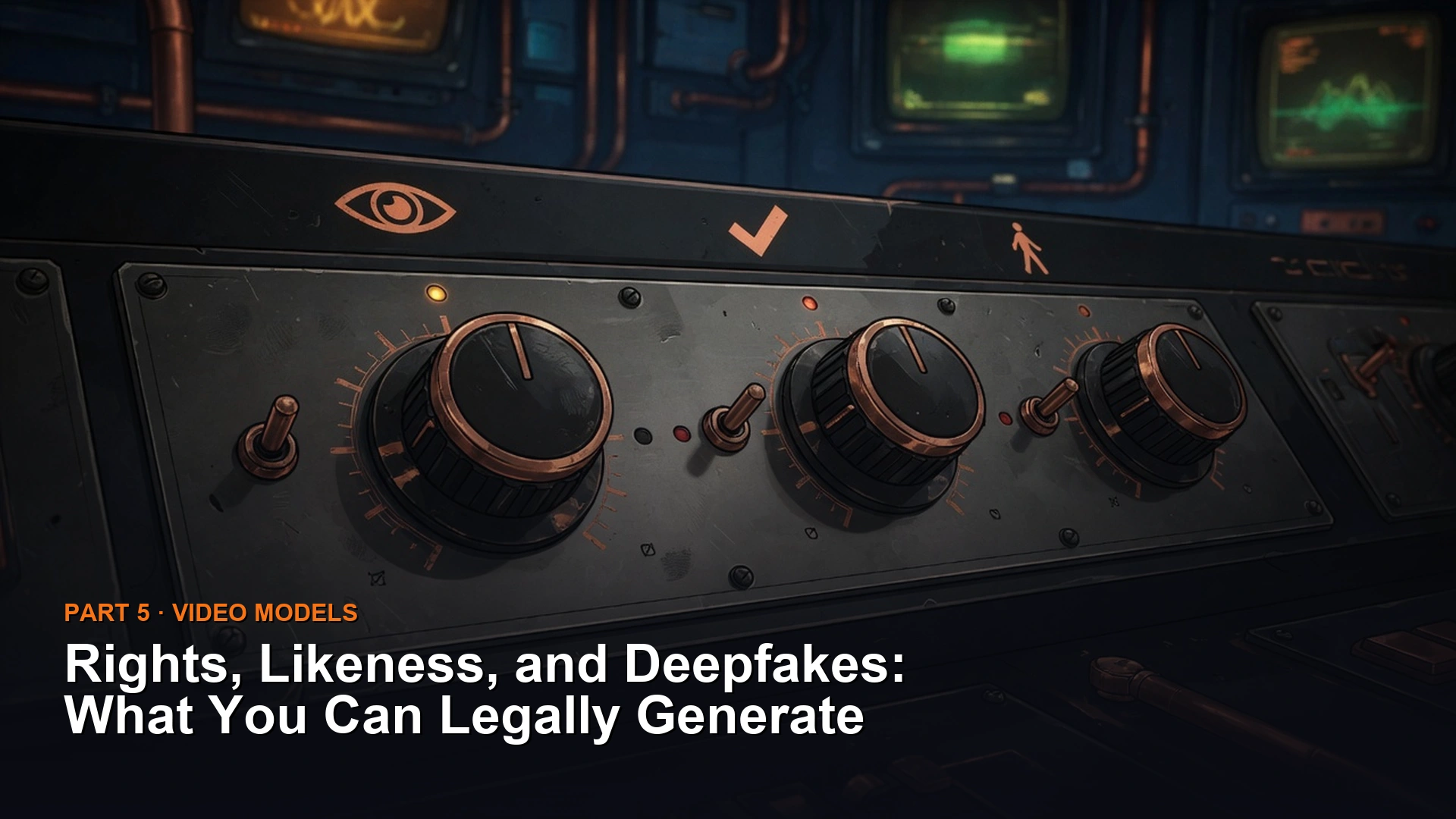
Deepfakes and likeness rights: what you can legally generate with AI
Treat generative video as a rights workflow: licenses, likeness, deepfake risk, and disclosure. Visual quality is not a legal green light.
When to Skip Automation Platforms: The Case for Vanilla Scripts, Cron, and Spreadsheets
Choose platforms for multi-SaaS event glue. Choose scripts or native tools for local transforms and single-endpoint jobs. Match tool to shape.

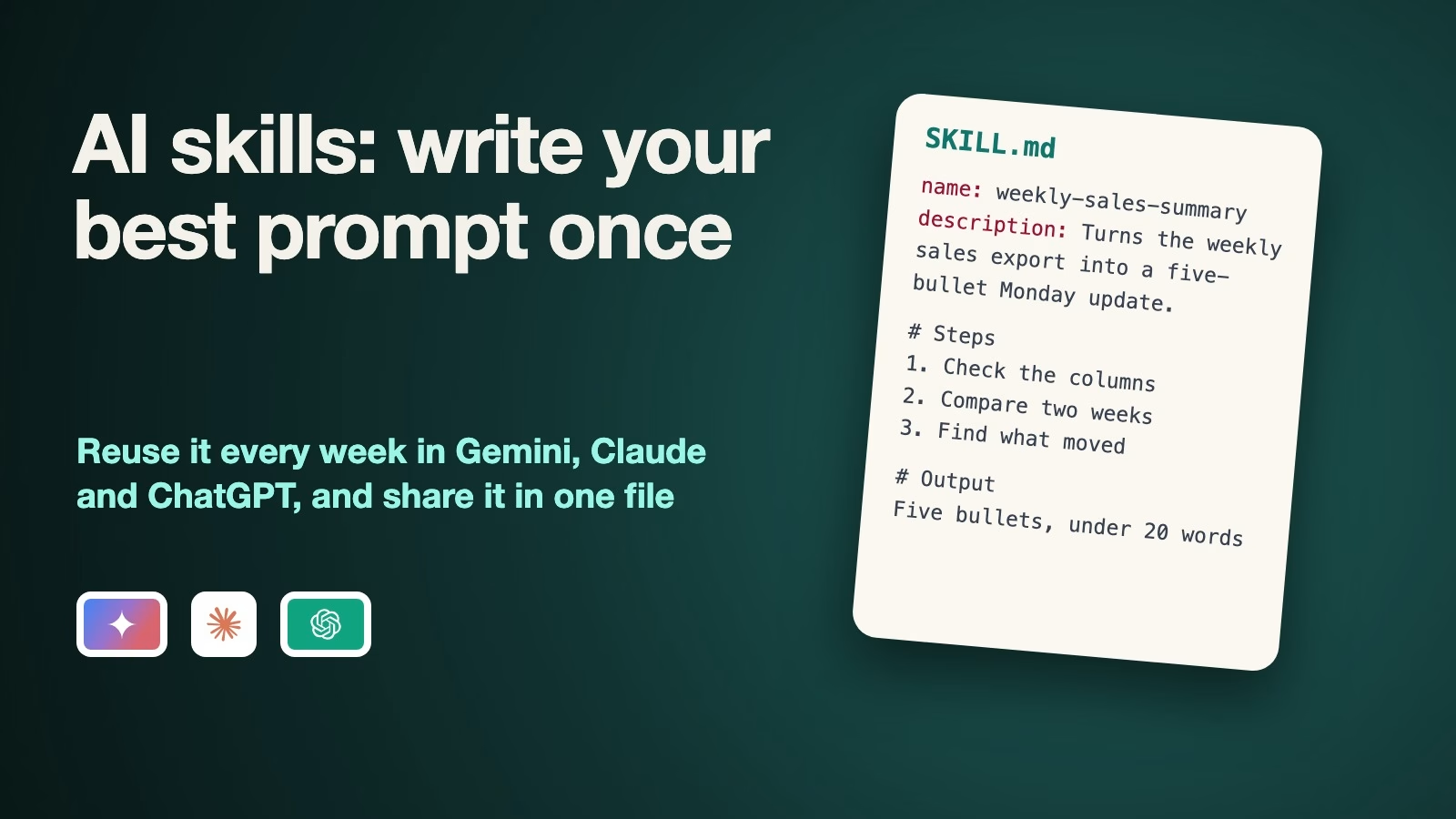
What AI skills are, and how to turn your best prompt into one you can reuse and share
An AI skill is a saved set of instructions that Gemini, Claude or ChatGPT uses by itself when a task calls for it, so you stop pasting the…
How speech AI works: text to speech, speech to text, and voice cloning
Separate TTS, STT, and cloning mentally. Each has different quality knobs, consent rules, and failure modes. Match the tool to the audio task.
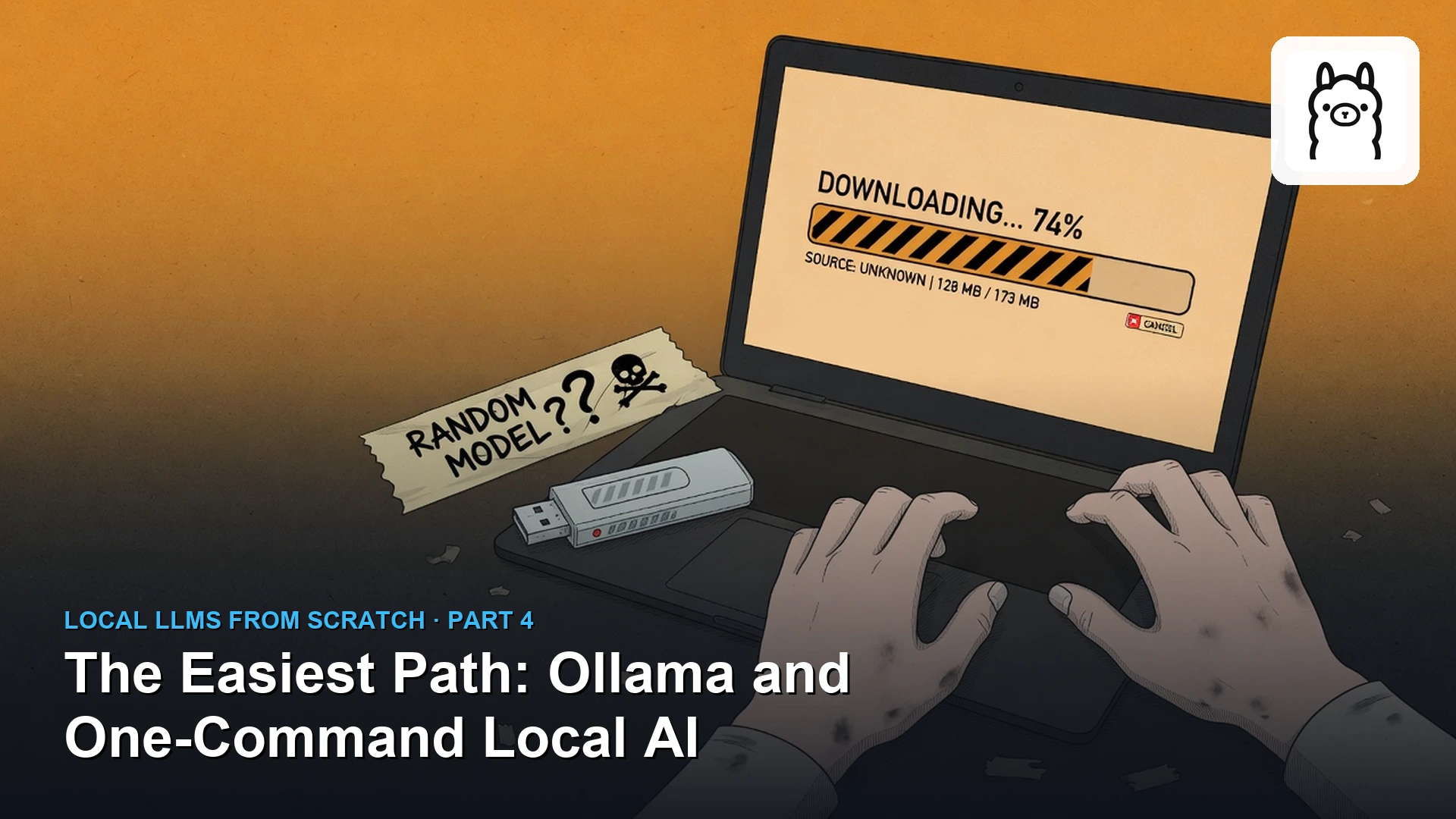
How to run AI on your own computer with Ollama in one command
Start local with Ollama: install, pull a sized tag, run, then automate with the local API. Pick models that fit RAM. Keep a verify step for anything that…