Category: Tutorials
You are in the right place if you want a lesson you can follow, not a glossary and not a product homepage. This shelf holds most of the articles on Analytics Made Simple. Two paths sit inside it on purpose. SQL is the database path: you have rows, and you need to ask a question without exporting another spreadsheet. AI is the tool path: chat products, open-weight models, and the jobs those tools are actually good at. Other tutorials land here when they teach a skill that does not belong on a narrower shelf.
A category page is the pile. A series page is the path, with a place to start and an order. If you open a tag or page 2 of this list, you are in a filing cabinet. The lesson is the article, or the series hub that lines the articles up.
Where to start: if the pain is a table, open the SQL series and use the first part on that page. If the pain is a model name or a chat tool, open the AI category and pick the product you already have on screen. If you are not sure which job you have, open Learn and choose the track that matches the work, not the logo.
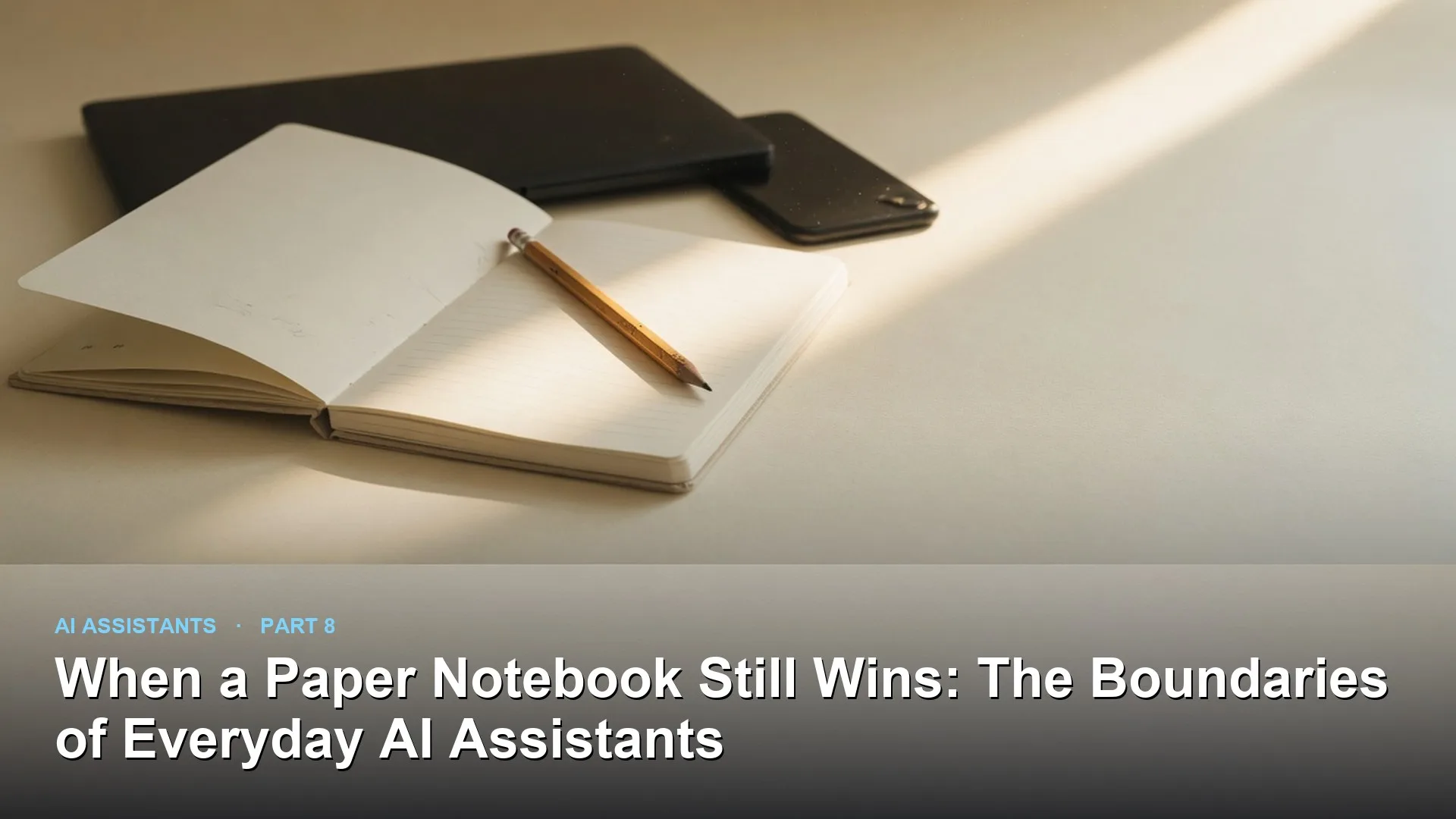
When a Paper Notebook Still Wins: The Boundaries of Everyday AI Assistants
Know when to skip assistants: deep focus, early ideation, and high-stakes judgment often need quiet analog space first. Bring AI in after the idea has a shape.
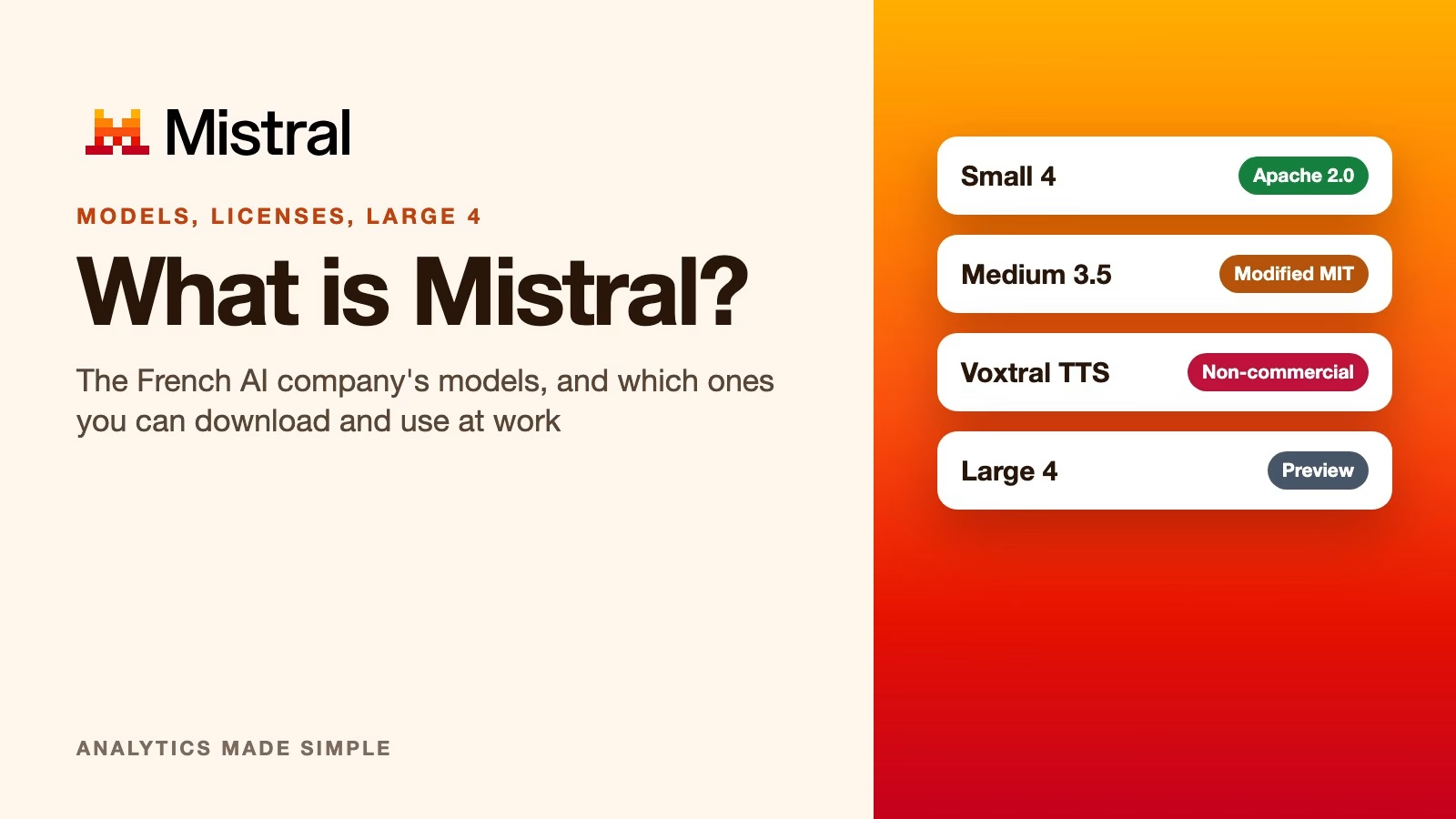
What is Mistral AI? Its models, their licenses, and which ones you can use at work
Mistral AI is a French company whose models you can often download and run yourself, but each one has its own license. Here is what Mistral makes, which…
How to run a free AI model that sorts tickets on your own computer with Hugging Face
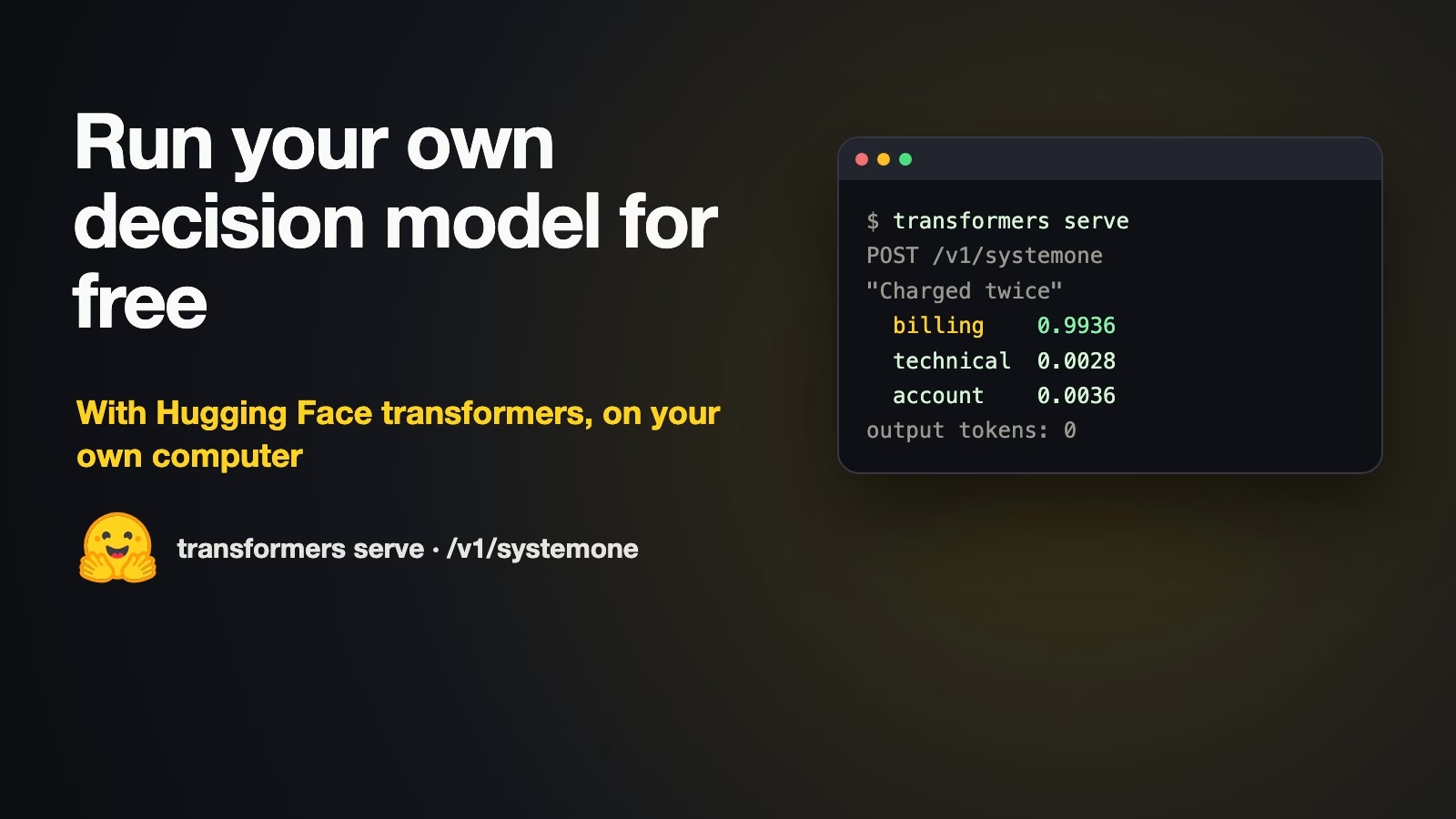
Hugging Face’s transformers server can now turn an open model such as Qwen into a decision model on your own computer, with a probability for every allowed answer.…
How to write a clear brief for your first AI video
Write your first AI video prompt like a short shot list: one camera move, what moves in the picture, and the light. Mood words like epic do not…

How to add AI to your automation workflows safely
Gate workflow AI with structured outputs, confidence thresholds, and cost caps. Use models for fuzzy text, not for authoritative writes without review.