Category: Tutorials
You are in the right place if you want a lesson you can follow, not a glossary and not a product homepage. This shelf holds most of the articles on Analytics Made Simple. Two paths sit inside it on purpose. SQL is the database path: you have rows, and you need to ask a question without exporting another spreadsheet. AI is the tool path: chat products, open-weight models, and the jobs those tools are actually good at. Other tutorials land here when they teach a skill that does not belong on a narrower shelf.
A category page is the pile. A series page is the path, with a place to start and an order. If you open a tag or page 2 of this list, you are in a filing cabinet. The lesson is the article, or the series hub that lines the articles up.
Where to start: if the pain is a table, open the SQL series and use the first part on that page. If the pain is a model name or a chat tool, open the AI category and pick the product you already have on screen. If you are not sure which job you have, open Learn and choose the track that matches the work, not the logo.
How to protect your ChatGPT, Claude, and Gemini accounts from being taken over
Turn 2FA on yourself and store recovery codes off Camera. Family and team plans share a bill, not a login. Apple Family Sharing can hide who paid while…

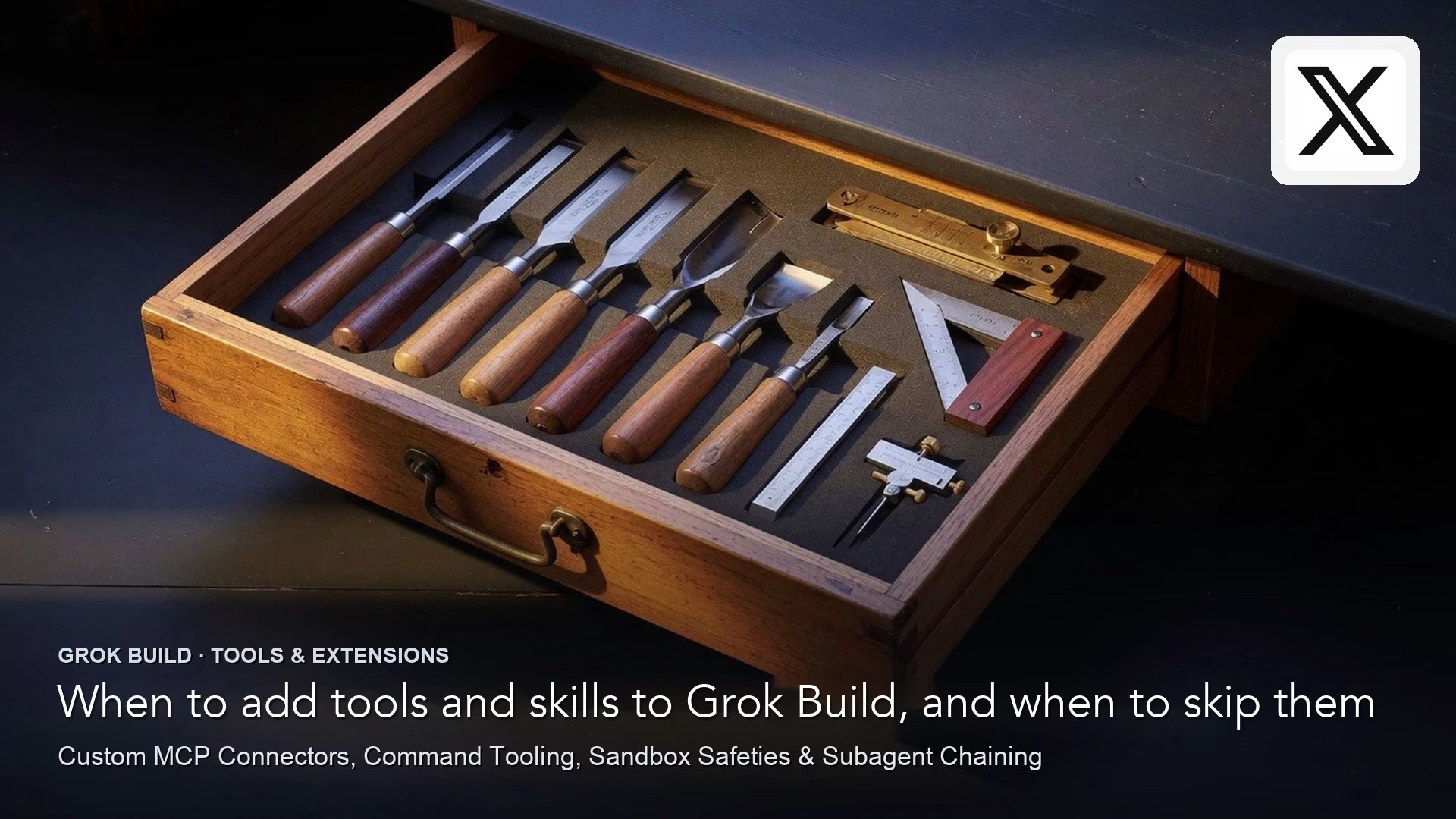
How to decide which tools and skills to add to Grok Build, xAI’s coding agent
Write AGENTS.md first. Add one skill or MCP server only when the job is blocked without it. Nine servers and a browser plugin for a README sentence is…
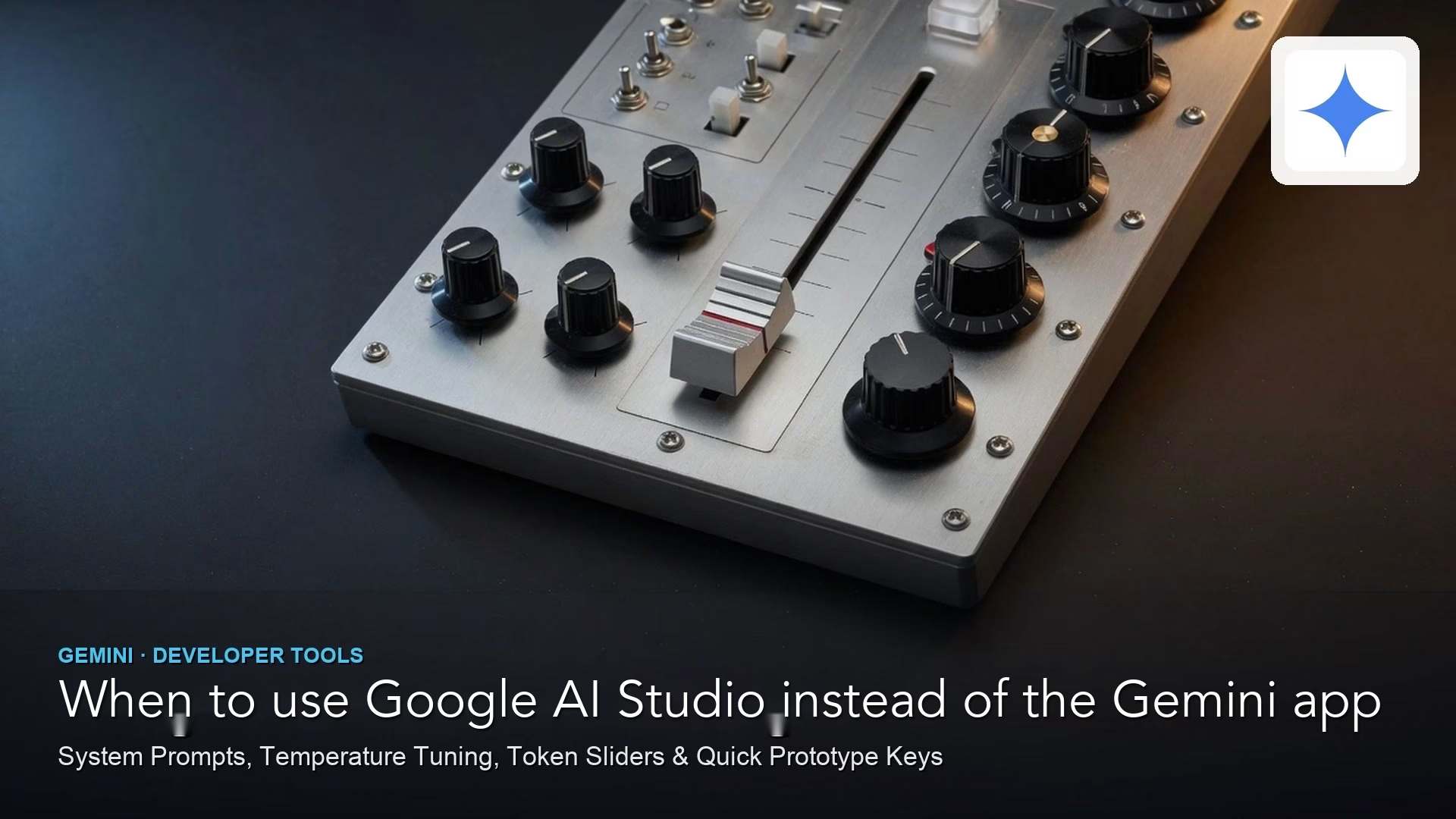
When to use Google AI Studio and the Gemini API instead of the Gemini app
Google AI Studio and the Gemini API are builder doors, not the consumer chat plan. Separate wallets, keep keys out of git, start with a tiny budget, and…
How to spot AI scams, voice deepfakes, and too-good-to-be-true offers
Treat a familiar voice as untrusted until a known number picks up. Call back on a number you already own. Gift cards, crypto, and new payment handles on…

How to give an AI chatbot context, limits, and examples for better answers
Models fill empty briefs with default memos. Pack context, constraints, and one example of the shape so a 90-second standup does not become a three-page vision note.