Category: Tutorials
You are in the right place if you want a lesson you can follow, not a glossary and not a product homepage. This shelf holds most of the articles on Analytics Made Simple. Two paths sit inside it on purpose. SQL is the database path: you have rows, and you need to ask a question without exporting another spreadsheet. AI is the tool path: chat products, open-weight models, and the jobs those tools are actually good at. Other tutorials land here when they teach a skill that does not belong on a narrower shelf.
A category page is the pile. A series page is the path, with a place to start and an order. If you open a tag or page 2 of this list, you are in a filing cabinet. The lesson is the article, or the series hub that lines the articles up.
Where to start: if the pain is a table, open the SQL series and use the first part on that page. If the pain is a model name or a chat tool, open the AI category and pick the product you already have on screen. If you are not sure which job you have, open Learn and choose the track that matches the work, not the logo.
How to install Grok Build and get through your first run
Install Grok Build in a sandbox, not on a production clone. Log in, ask one read-only question, make one tiny reviewed change, and keep everyday chat separate from…

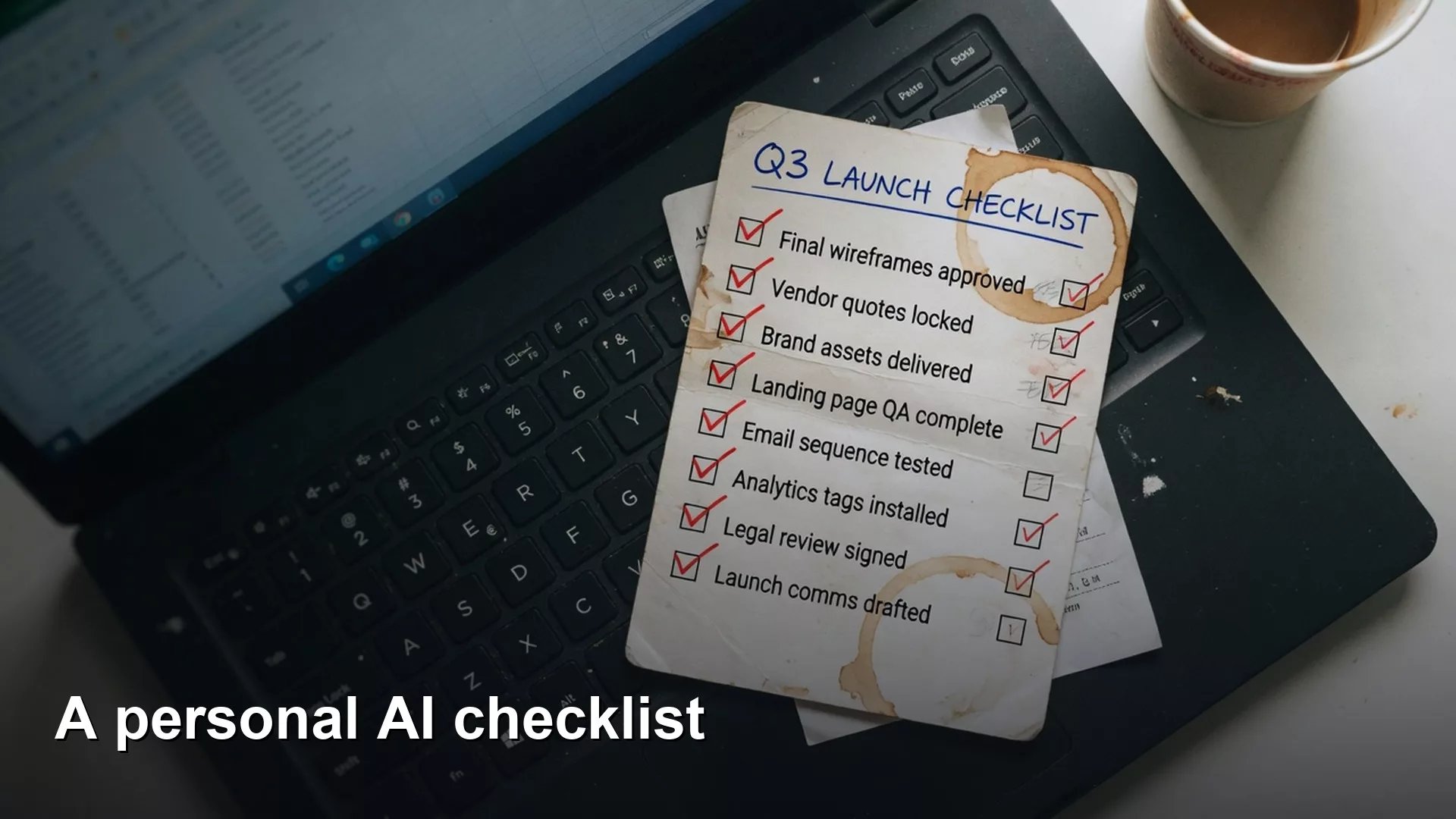
How to build a personal checklist for checking AI-generated work
Close Practical AI with one checklist that travels across SQL, charts, Python, and email. Verify every draft against a signed source before it leaves your desk.
How to use Gemini’s coding help in Android Studio and other code editors
Gemini in the IDE is not the chat app. Map Code Assist style tools and Android Studio to your real license, expect quota refusals, and keep proprietary code…

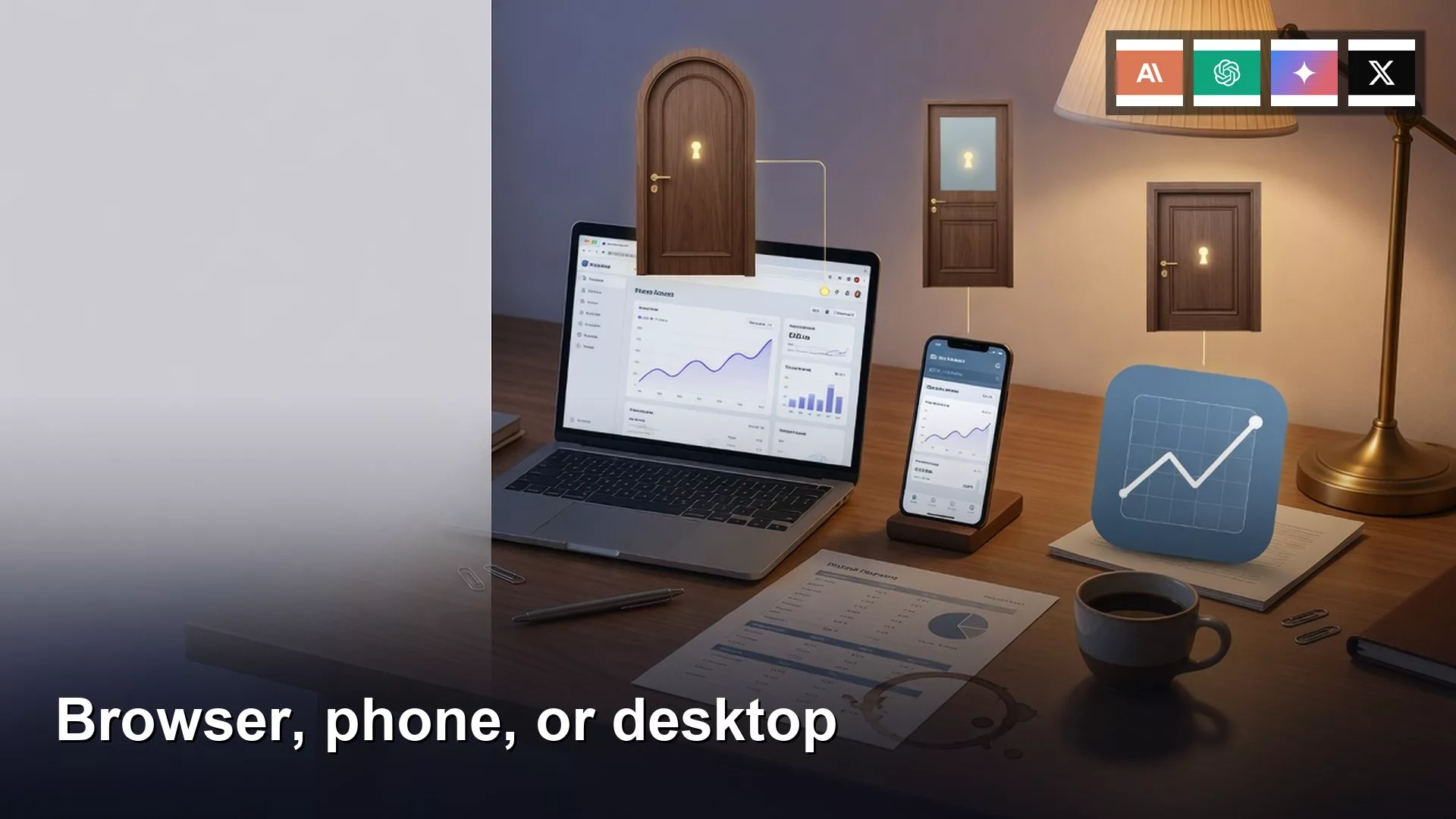
Should you use an AI chatbot in the browser, the phone app, or the desktop app?
Use the vendor website for billing, seat admin, and full settings. Phone is for voice and the train. Desktop sits on the same login. Same email or you…
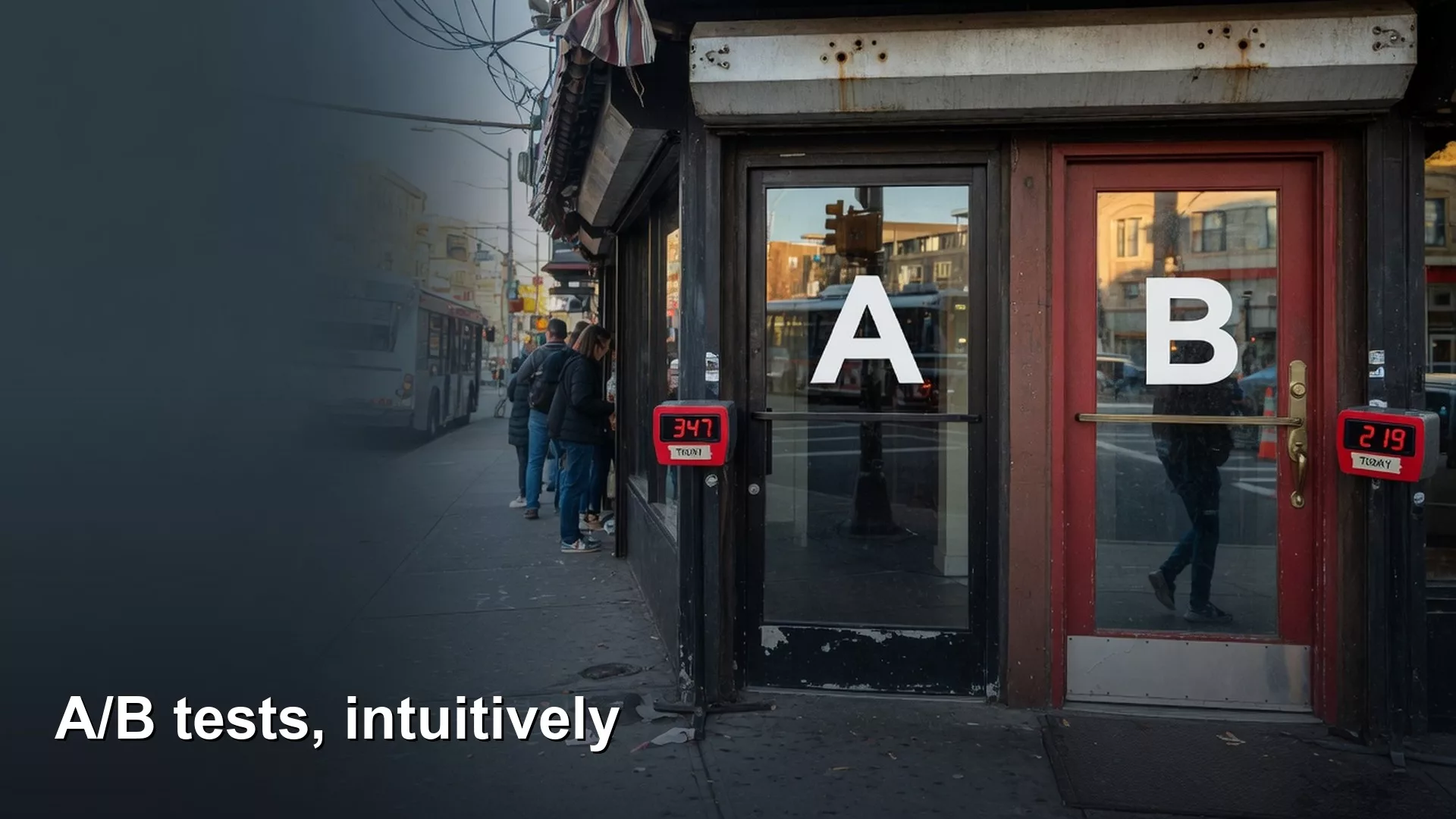
A/B tests intuition for analysts
A/B tests need a clear unit, a primary metric, and honest peeking rules. A green checkmark with +3.2% lift can still be calendar-driven science if you stop early.