Category: Tutorials
You are in the right place if you want a lesson you can follow, not a glossary and not a product homepage. This shelf holds most of the articles on Analytics Made Simple. Two paths sit inside it on purpose. SQL is the database path: you have rows, and you need to ask a question without exporting another spreadsheet. AI is the tool path: chat products, open-weight models, and the jobs those tools are actually good at. Other tutorials land here when they teach a skill that does not belong on a narrower shelf.
A category page is the pile. A series page is the path, with a place to start and an order. If you open a tag or page 2 of this list, you are in a filing cabinet. The lesson is the article, or the series hub that lines the articles up.
Where to start: if the pain is a table, open the SQL series and use the first part on that page. If the pain is a model name or a chat tool, open the AI category and pick the product you already have on screen. If you are not sure which job you have, open Learn and choose the track that matches the work, not the logo.
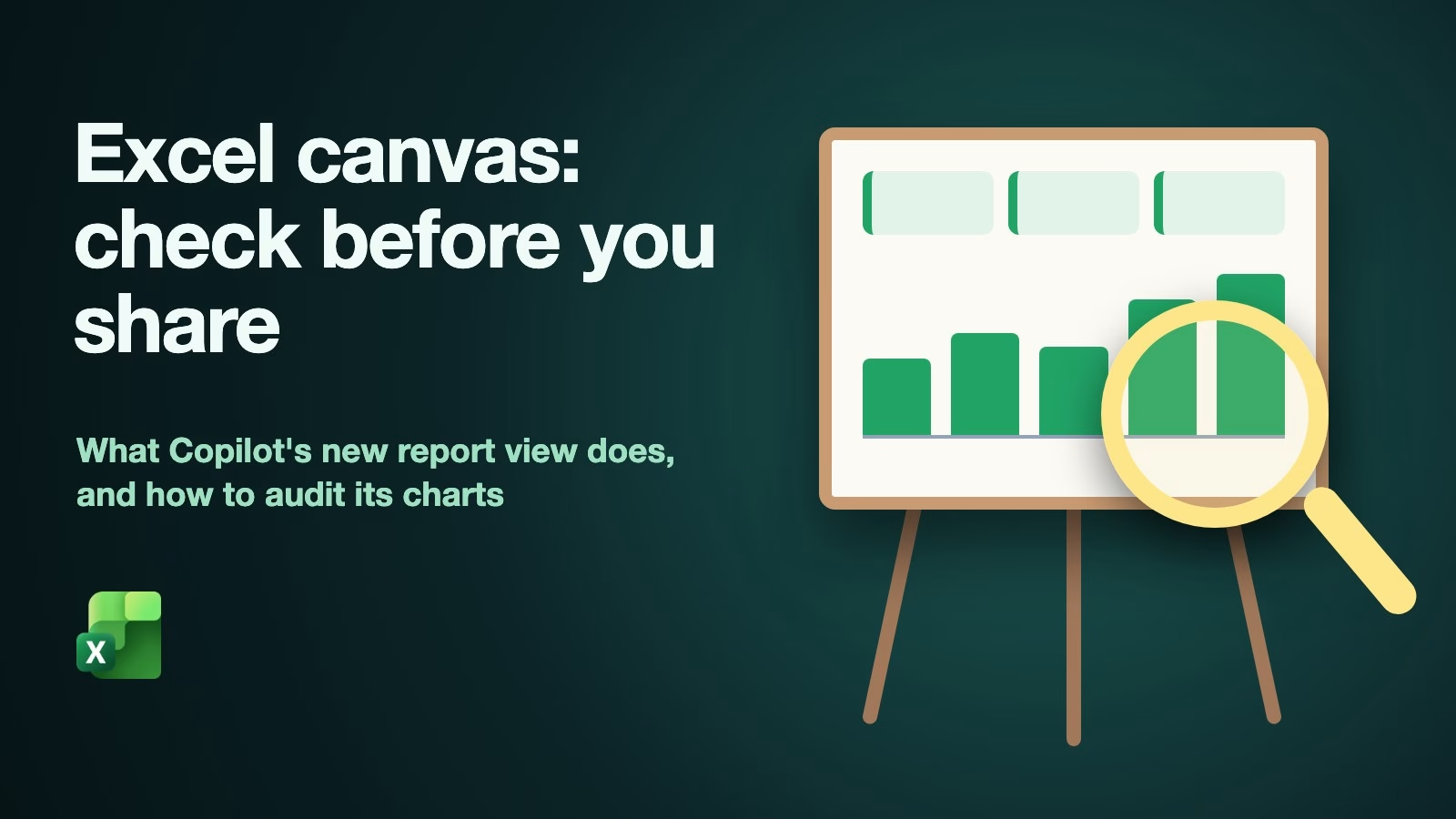
How to build a report with Excel canvas and Copilot, and check its charts before you share
Excel canvas is a new Copilot view that turns a workbook into a one-page report with charts and headline numbers that update with the data. Here is what…
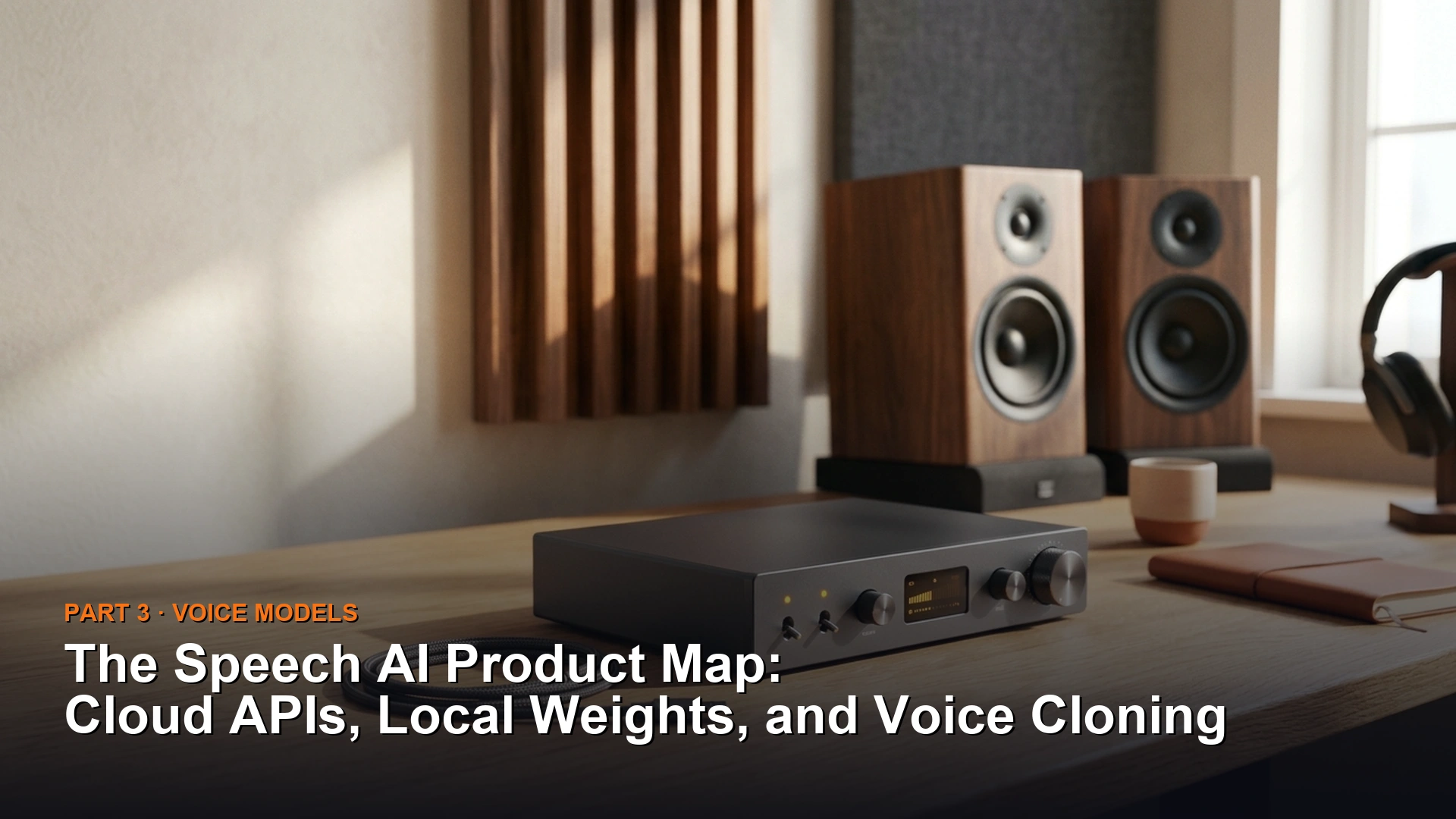
Which speech AI tool to use: cloud services, local models, or voice cloning
Map speech products into cloud, local, and cloning lanes. Route traffic by privacy and cost before you scale a single vendor.
What is llama.cpp, and why do so many local AI apps use it?
Learn llama.cpp as the common local engine: mmap loads, GGML math, and a simple server. Many GUIs wrap it. Debug the wrapper before you blame the weights.
What is WebMCP? How a new browser feature lets AI agents use websites
WebMCP is a proposed browser feature that lets a website offer AI agents named actions, like checking an order, instead of making them click around the page. Here…
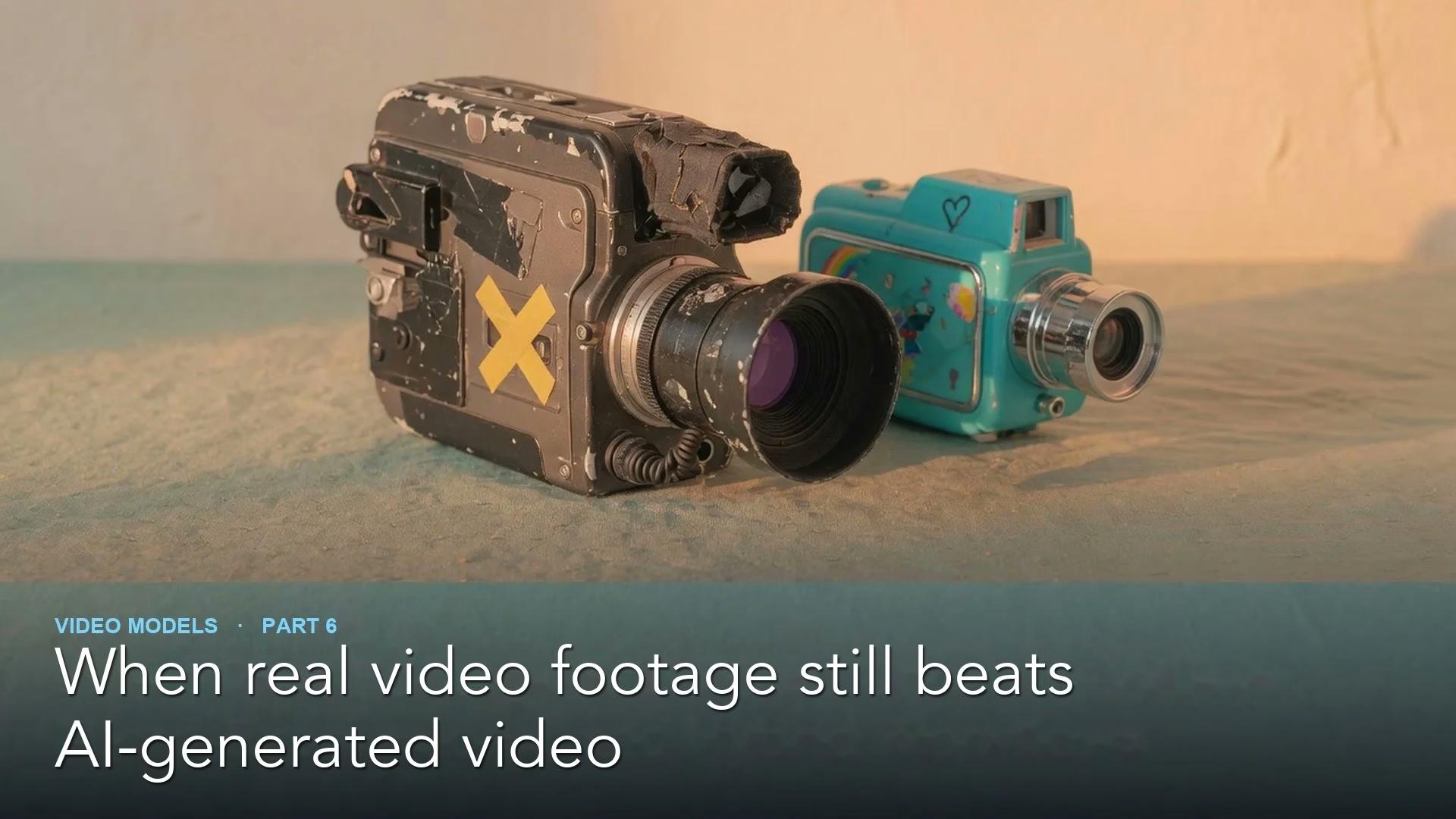
When real video footage still beats AI-generated video
Route high-emotion, documentary, and brand-trust work to cameras. Keep generative tools for scenes where plastic motion will not break the story.