Category: Tutorials
You are in the right place if you want a lesson you can follow, not a glossary and not a product homepage. This shelf holds most of the articles on Analytics Made Simple. Two paths sit inside it on purpose. SQL is the database path: you have rows, and you need to ask a question without exporting another spreadsheet. AI is the tool path: chat products, open-weight models, and the jobs those tools are actually good at. Other tutorials land here when they teach a skill that does not belong on a narrower shelf.
A category page is the pile. A series page is the path, with a place to start and an order. If you open a tag or page 2 of this list, you are in a filing cabinet. The lesson is the article, or the series hub that lines the articles up.
Where to start: if the pain is a table, open the SQL series and use the first part on that page. If the pain is a model name or a chat tool, open the AI category and pick the product you already have on screen. If you are not sure which job you have, open Learn and choose the track that matches the work, not the logo.
How to ask Claude Code about your codebase before you let it change anything
Part 2 of the Claude Code tutorial. Talk to a repo in three beats: ask for a map with real paths, explore until you know what might break,…

How to work with long documents and many files in ChatGPT
Part 3 of the ChatGPT everyday tutorial. How to handle long documents and multi-file work with chunking, indexing, quote checks, Projects, and a no-secrets recipe you can reuse…

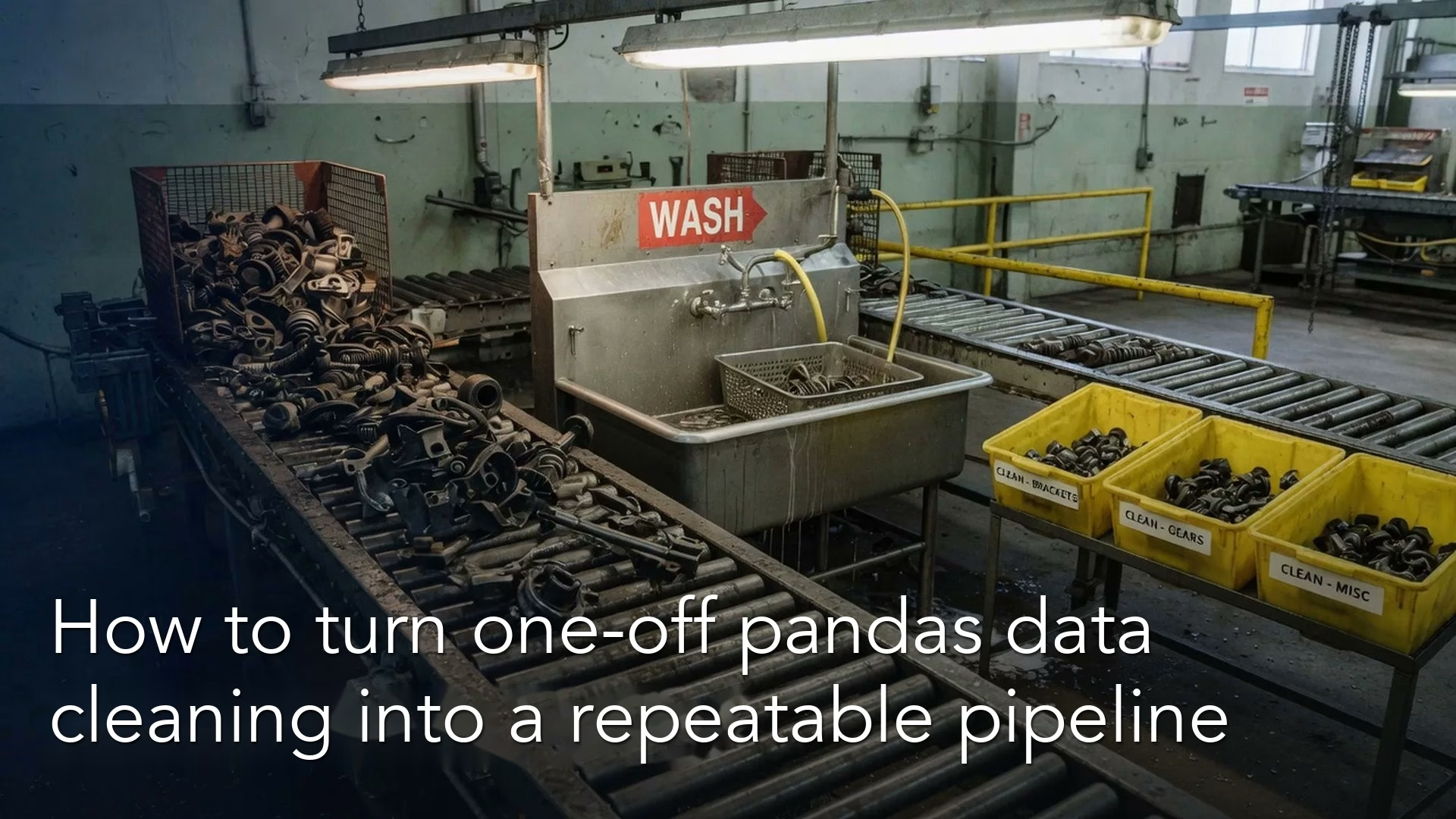
How to turn one-off pandas data cleaning into a repeatable pipeline
Turn ad-hoc notebook cells into a light load-clean-validate-summarize pipeline you can trust. Small functions, row-count checks, and cold-start reruns make your Python analytics reproducible for teammates.
How to install Claude Code and run it for the first time
Part 1 of the Claude Code tutorial. Install with native scripts, Homebrew, or WinGet, verify with claude –version, log in, pick a surface, and survive first run with…

How to get better answers from ChatGPT with structure and examples
Part 2 of the ChatGPT everyday tutorial: role, goal, constraints, example, and format. Weak vs strong prompts, micro-examples, and a diagnose-patch-rerun loop when Chat is wrong.
