Category: Tutorials
You are in the right place if you want a lesson you can follow, not a glossary and not a product homepage. This shelf holds most of the articles on Analytics Made Simple. Two paths sit inside it on purpose. SQL is the database path: you have rows, and you need to ask a question without exporting another spreadsheet. AI is the tool path: chat products, open-weight models, and the jobs those tools are actually good at. Other tutorials land here when they teach a skill that does not belong on a narrower shelf.
A category page is the pile. A series page is the path, with a place to start and an order. If you open a tag or page 2 of this list, you are in a filing cabinet. The lesson is the article, or the series hub that lines the articles up.
Where to start: if the pain is a table, open the SQL series and use the first part on that page. If the pain is a model name or a chat tool, open the AI category and pick the product you already have on screen. If you are not sure which job you have, open Learn and choose the track that matches the work, not the logo.
What to do when a coworker asks for access to your company’s production database
Match access to the question: sample, masked, or production read with an owner and an end date. Least privilege survives deadlines better than forever prod grants.
How to ask better data questions in meetings
Ask data questions that name the decision, window, segment, and success criteria. Use a question ladder so meetings end with an answerable next action.
How to build and test your first data models with dbt, a SQL tool
Turn layout into working models. Write your first staging and mart SQL, wire refs, add unique and not-null tests, and run a small build you can actually explain…
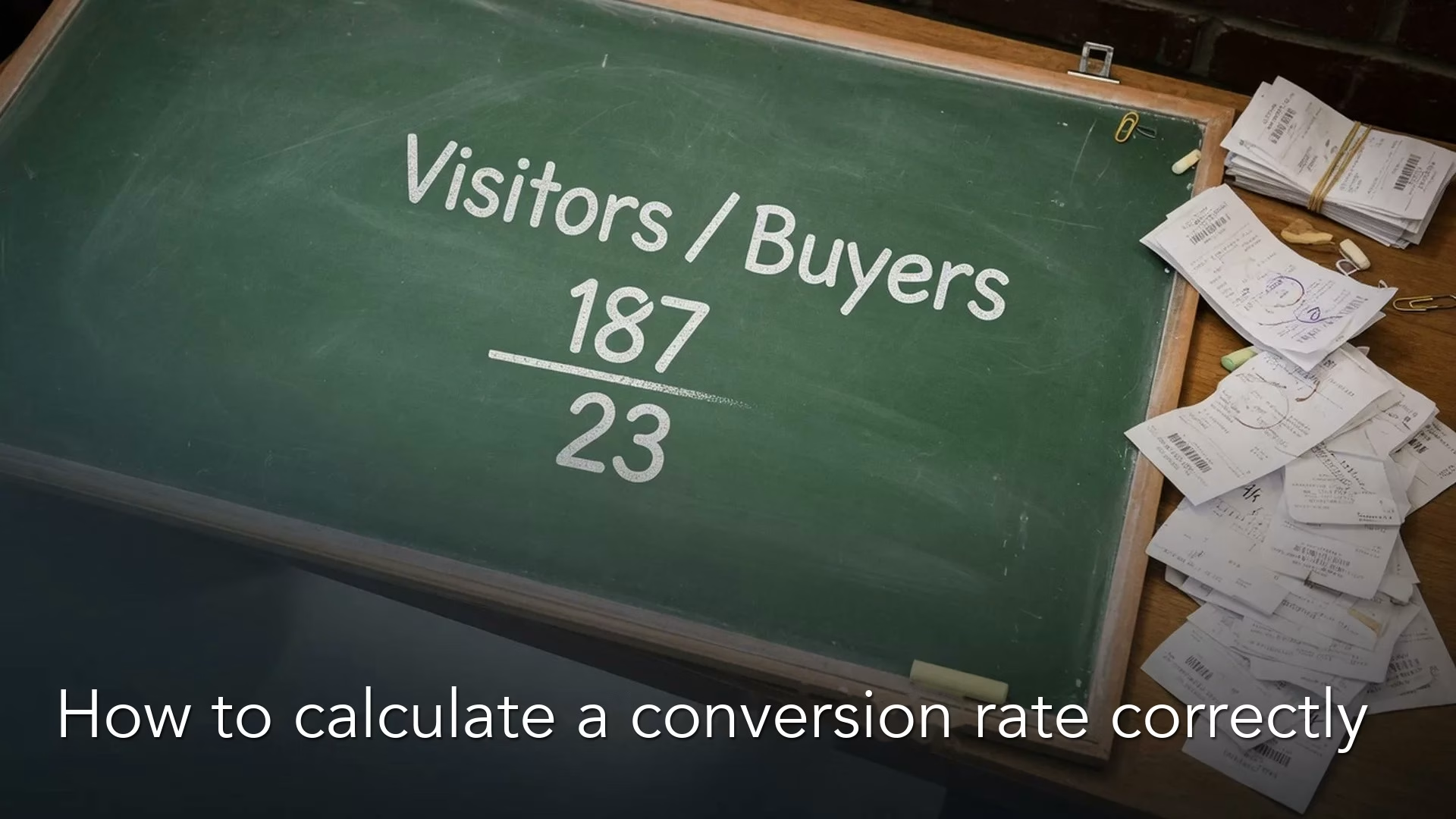
How to calculate a conversion rate correctly
Write conversion as success over eligible with a clear window. Definition cards beat dashboard magic when the same funnel stage means three rates.
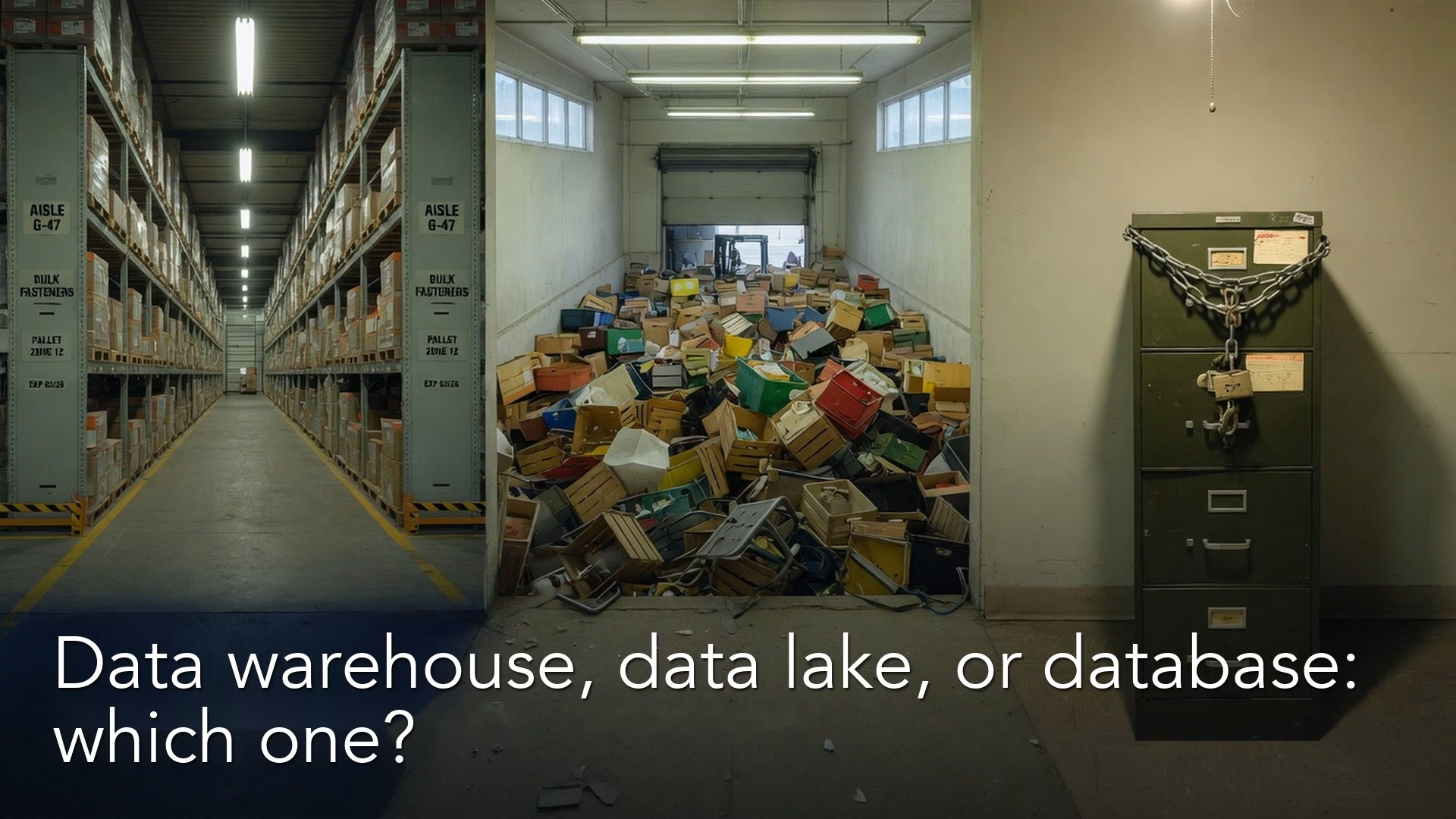
Data warehouse, data lake, or plain database: which one does your data need?
App database, warehouse, or lake? Walk a plain decision tree for where data should live so product traffic, cheap history, and certified analytics stop fighting over one system.