Category: Tutorials
You are in the right place if you want a lesson you can follow, not a glossary and not a product homepage. This shelf holds most of the articles on Analytics Made Simple. Two paths sit inside it on purpose. SQL is the database path: you have rows, and you need to ask a question without exporting another spreadsheet. AI is the tool path: chat products, open-weight models, and the jobs those tools are actually good at. Other tutorials land here when they teach a skill that does not belong on a narrower shelf.
A category page is the pile. A series page is the path, with a place to start and an order. If you open a tag or page 2 of this list, you are in a filing cabinet. The lesson is the article, or the series hub that lines the articles up.
Where to start: if the pain is a table, open the SQL series and use the first part on that page. If the pain is a model name or a chat tool, open the AI category and pick the product you already have on screen. If you are not sure which job you have, open Learn and choose the track that matches the work, not the logo.
What to check before you use AI images, voice, or live web answers
Pick the image, voice, or live door on purpose. Verify before you post. A flyer with “Analtyics Nite” in 72-point type is what skipping the still check looks…
How to check Grok’s live web answers before you share them
Verify live Grok answers before you send. Ask for sources, open the links, and check dates, versions, and numbers. A fluent rumor still needs a second tab.

How Google Gemini handles your privacy at work, and who controls the settings
Learn personal Gemini controls and Workspace admin basics. Match data classes to the seat. When this post conflicts with IT policy, IT wins.
How data teams can work with Legal and Security instead of fearing them
Legal and Security are teammates, not the enemy. Use a PII sensitivity ladder, least privilege for analyst work, and a calm intake card for vendor requests so stewardship…
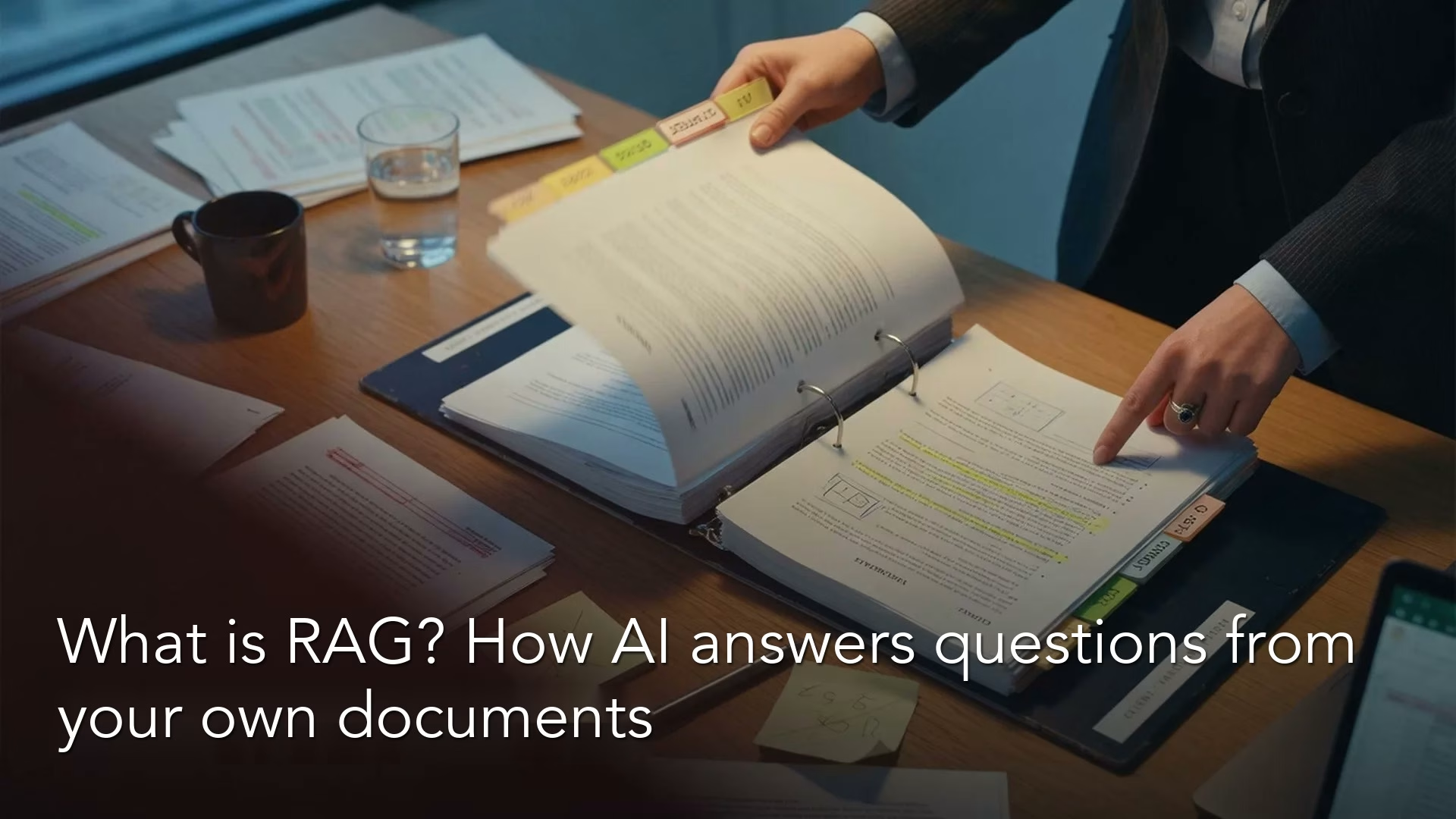
What is RAG? How AI answers questions from your own documents
RAG retrieves company passages, stuffs them into the prompt, then generates an answer. Use it for definitions and runbooks with citations. Do not treat grounding as a warranty…