Category: AI
You are here if AI showed up in your job and the names on the screen do not match the buttons. This category is practical. It is not a model-release calendar, and it is not one lesson pasted under a new product name. The series split the pile so a Claude post and a ChatGPT post can teach different work.
Everyday paths are for a person with no account yet, or a person whose chat forgot a file: setup, prompting, memory, agents, safety, and which product fits a job. Product paths stay on one tool: Claude, ChatGPT, Gemini, or Grok, from a first login to the surface you should not open. Open-weight paths are Llama, DeepSeek, Qwen, Kimi, and GLM: what the name refers to, and when a normal paid chat is the easier tool. Engineering paths are for running a model, retrieving from your own files, and fine-tuning. Several of those hubs are still waiting on a first live part, and the hub page says so.
Where to start: no account yet, use AI setup from zero. You already pay for one product, open that product’s series and use the first part. You want the idea before the brand, use Practical AI. You want every series in order, use Learn and the AI tracks.
How to budget for AI video generation without overspending
Budget generative video with draft resolution first, selection gates, and local or cheap upscalers. Measure yield, not raw generation count.

How to keep passwords and access safe in your automation workflows
Govern workflow secrets with a vault, tight OAuth scopes, and rotation playbooks. Treat canvas plaintext credentials as temporary only.
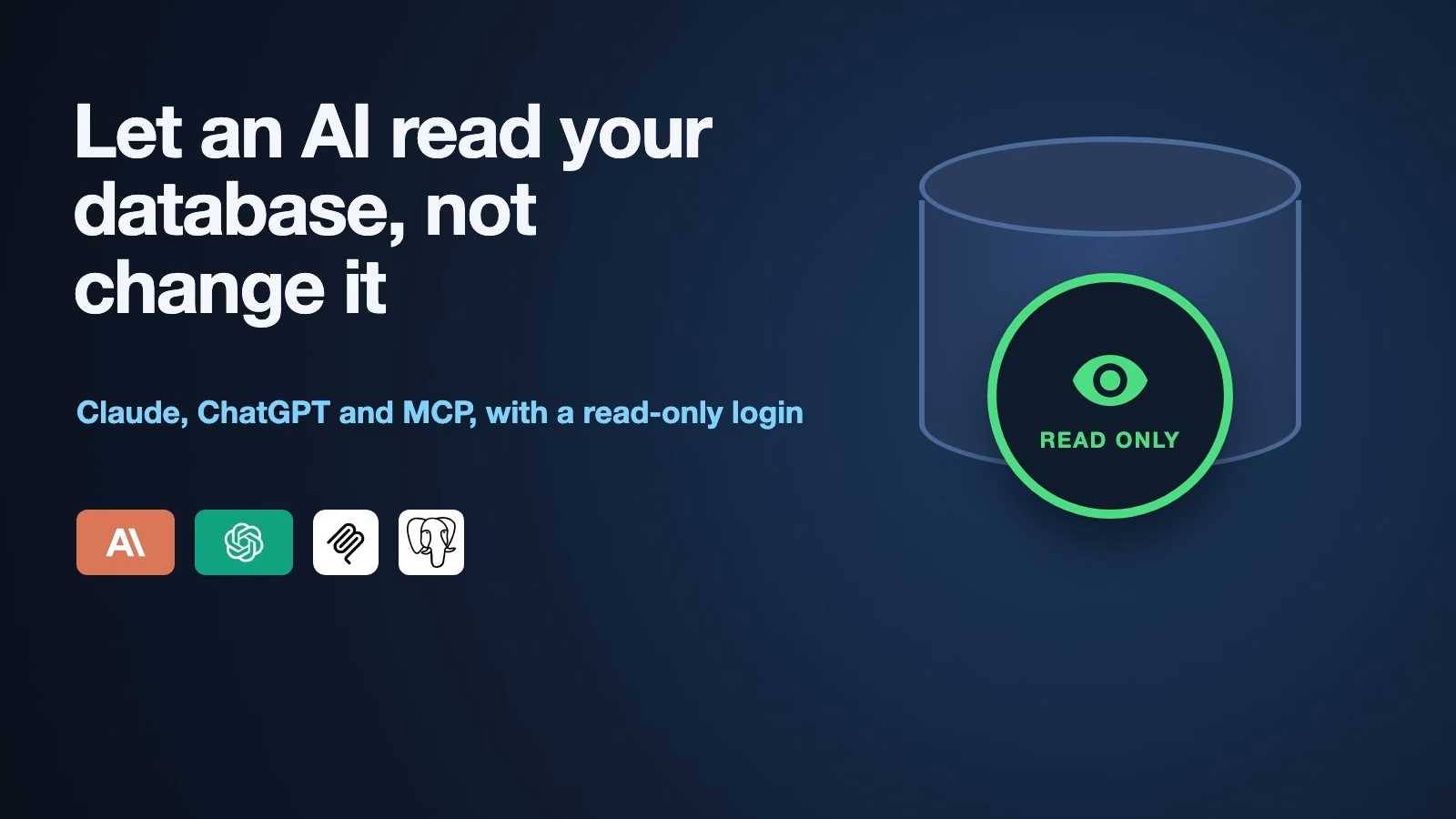
How to let Claude or ChatGPT read your company’s database without risking your data
Letting an AI query your company’s database is safe when the AI has its own read-only login, a time limit and a log. Here is the setup, tested…
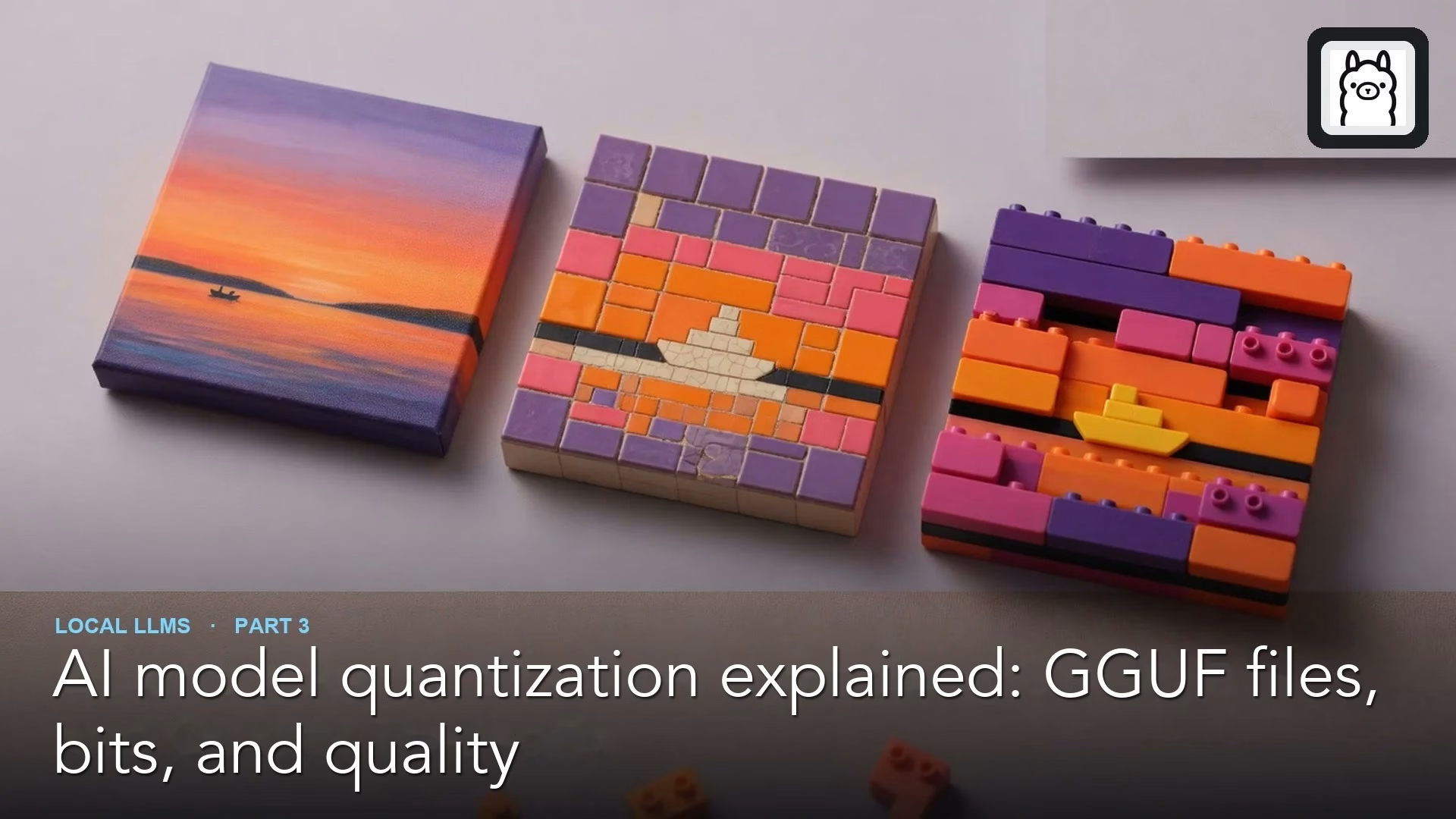
What is AI model quantization? How smaller model files trade quality for size
Treat GGUF quantization tiers as memory-vs-quality dials. Prefer mid tiers for work you will cite, and test your own prompts before you standardize on the tiniest file.
When a Paper Notebook Still Wins: The Boundaries of Everyday AI Assistants
Know when to skip assistants: deep focus, early ideation, and high-stakes judgment often need quiet analog space first. Bring AI in after the idea has a shape.