Category: Tutorials
You are in the right place if you want a lesson you can follow, not a glossary and not a product homepage. This shelf holds most of the articles on Analytics Made Simple. Two paths sit inside it on purpose. SQL is the database path: you have rows, and you need to ask a question without exporting another spreadsheet. AI is the tool path: chat products, open-weight models, and the jobs those tools are actually good at. Other tutorials land here when they teach a skill that does not belong on a narrower shelf.
A category page is the pile. A series page is the path, with a place to start and an order. If you open a tag or page 2 of this list, you are in a filing cabinet. The lesson is the article, or the series hub that lines the articles up.
Where to start: if the pain is a table, open the SQL series and use the first part on that page. If the pain is a model name or a chat tool, open the AI category and pick the product you already have on screen. If you are not sure which job you have, open Learn and choose the track that matches the work, not the logo.
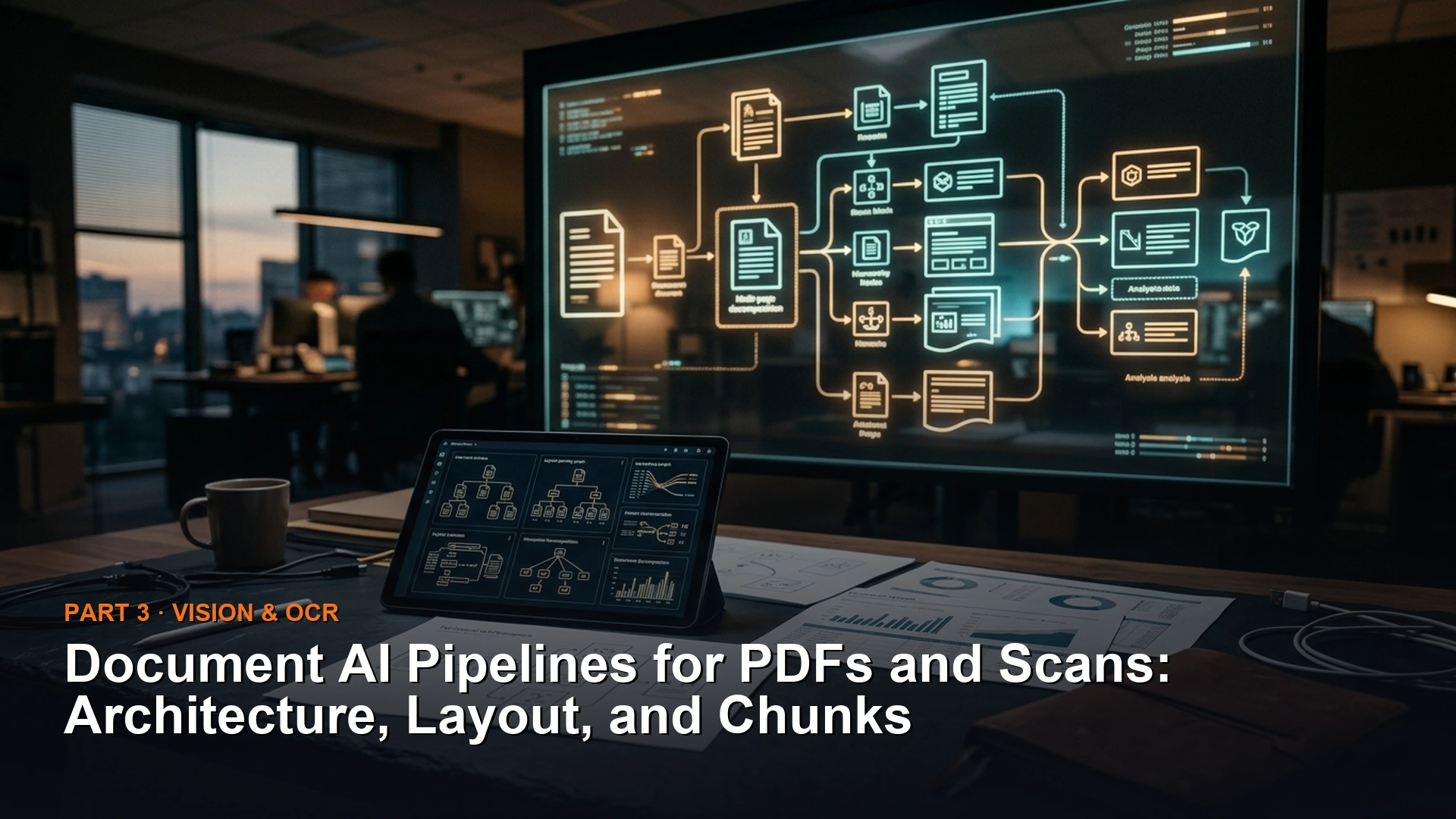
How to get clean text out of PDFs and scanned documents with AI
Detect PDF type, preserve reading order, and chunk on layout before you embed. Columns and tables break if you slice by character count alone.
How your company can use Mistral Large 4 now that its weights are free to download
Mistral Large 4’s weights are now free to download under a modified MIT licence. Here is what your company may do with it without paying Mistral, the one…
How to tell whether OpenAI’s cheaper GPT-6.1 Terra model is good enough for your work
GPT-6.1 Terra is OpenAI’s new mid-priced model, in ChatGPT Work, Codex and the API at half the price of Sol. Here is where to find it, what a…
How to test Kimi K3.1 Pro on a long document before you trust it
Kimi K3.1 Pro, Moonshot’s new AI model, can read about a million tokens at once. Here is what each Kimi plan gives you, what the API costs for…
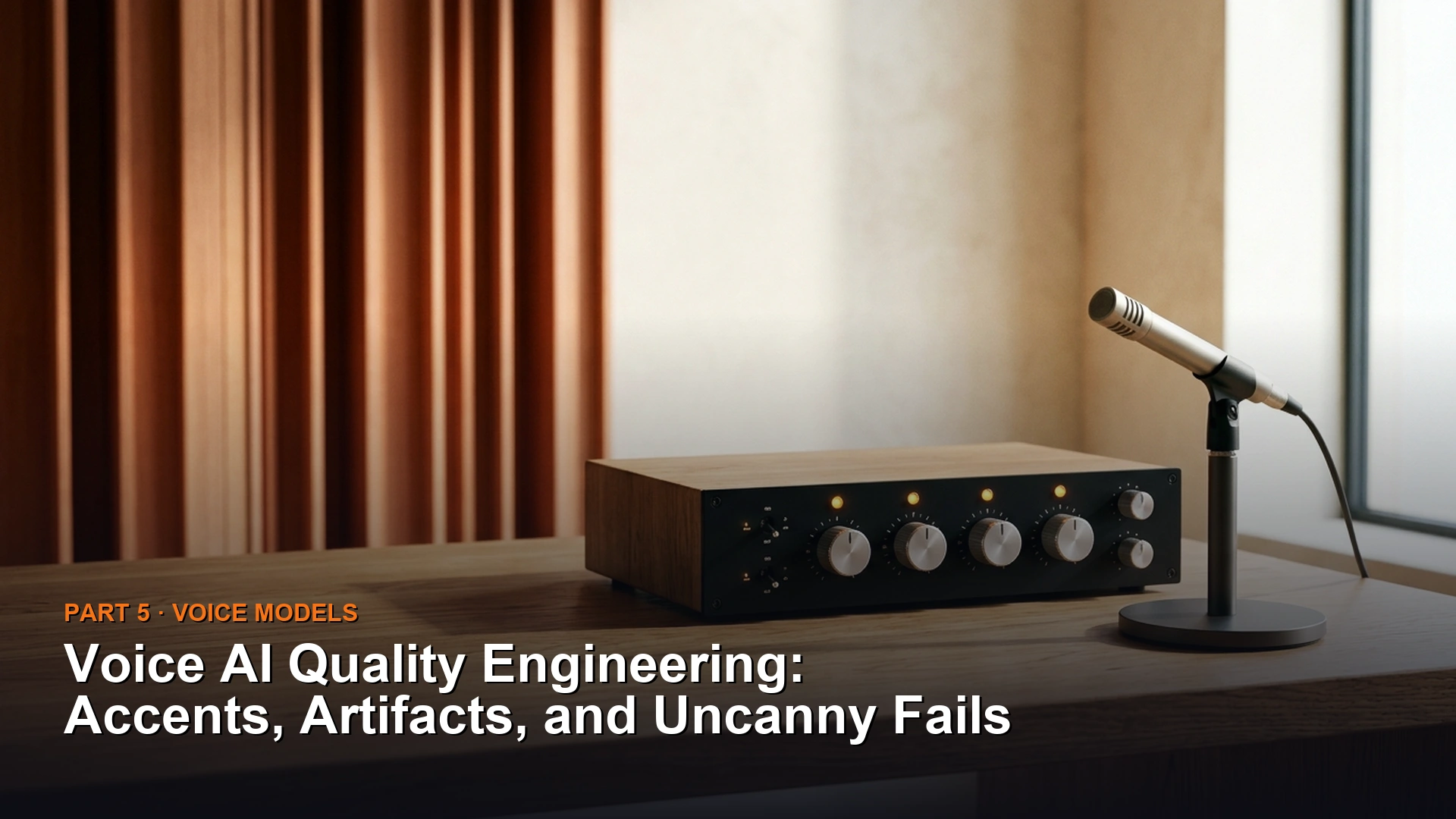
How to fix common quality problems in AI-generated voices
Engineer voice quality with accent fidelity, vocoder artifact checks, and listening tests. Word error rate alone will not catch uncanny audio.